Water Filtering System


Water Filtering System


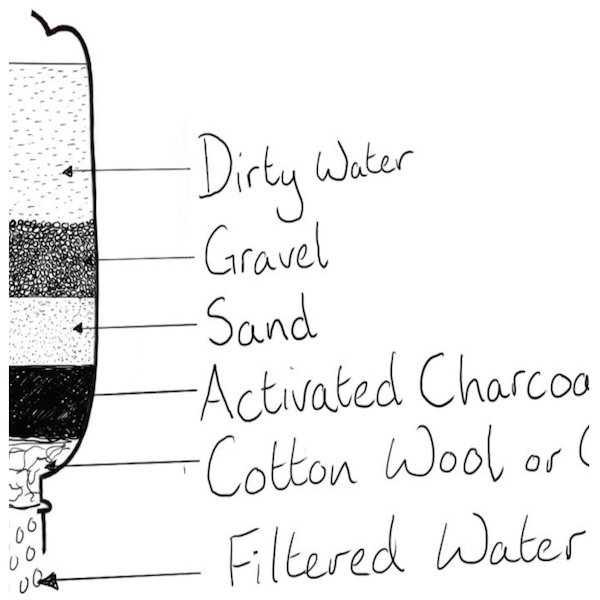
Overview: Activated charcoal can be made by using lemon juice, salt water or bleach to charcoal that can itself be made easily and freely. This opens the possibility of making effective water filtration systems, transforming lives without having to buy anything.  The Water must still be boiled before drinking

Task: You are to create an activated charcoal water filter 

Equipment Provided: Plastic Bottles, scissors, gravel, sand, water, cotton wool/ clean cloth, activated charcoal

Health and Safety: You must carry out your own risk assessment (Rubbish Science accept no liability)  Note: Be careful when cutting, wash hands after handling gravel and sand. The water must still be boiled/treated before drinking it

Things you might need to know / Questions you might ask:

  • What size bottles would be best?
  • What is the minimum amount of each material needed to be effective?
  • How can you make the flow rate as fast as possible?
  • Is it better to use the filtration gravel etc in separate bottles or build it in a single one?
  • Could you combine this with the SODIS method? ?

Prototyping: Try to answer the questions above using small scale experiments

Modifications:How might you modify your designs based on what your preliminary results look like? What have others done and what can you learn from them?

Prediction: What do you think will happen and why?

Do it: How are you going to see if your filter is successful?

What happened?: Was your filter effective?

Tell Someone: Explain what you did and why you felt your filter was effective. Listen to others do they have any good ideas?

What did you learn? What do you know now that you didn’t know before you started this investigation?

Extension/Modify/Do it again: How could you extend this to produce a commercial water filtration business

Possible Model – How can you optimise the design?

Water Cleaning System


Water Cleaning System


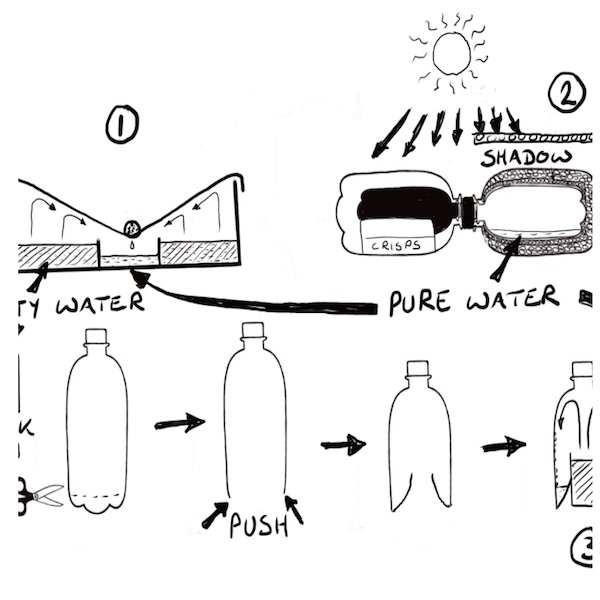
Overview: Solar stills use sunlight in order to evaporate dirty or salty water and then condense the water vapour to be collected. There are many models for this but which one is the most effective? Note: It is probably worth doing the Insulated container and the hand washing station before you do this experiment as the concepts can be combined in this one.

Task: You are to make a solar still that can produce clean water from dirty or salty water. Either as quickly as possible or the maximum possible in a set period of time.

Equipment Provided: Plastic bottles of various sizes, tin cans, plastic bags, plastic trays, string, tape, scissors, silvered crisp pockets, black paper , black ink

Health and Safety: You must carry out your own risk assessment (Rubbish Science accept no liability)  Note: Do NOT drink the ‘clean’ water you have produced ! Be careful cutting

Things you might need to know / Questions you might ask:

  • How can you make water evaporate quickly? 
  • How can you get water vapour to condense effectively?
  • How can you combine evaporation and condensation to make a system that works?
  • How much dirty water should you use? Does the volume or the surface area have the most effect?
  • Does making the water black affect its evaporation rate?
  • What do commercial solar stills look like? 
  • Can you use ideas that were learned in the hot water hand wash station and Insulated container to help with this task?

Prototyping: Design some systems to answer the questions above.

Modifications: Having seen others ideas is there anything you might want to change?

Prediction: How well do you think your solar still will work and why?

Do it: What results are you going to take? How will you record them. Where is the best place to site your still?

What happened?: Did your results support your prediction

Tell Someone: Explain what went well and what you think might be improved. Listen to their ideas and decide if they have value.

What did you learn? What do you know now that you didn’t know at the start of the investigation?

Extension/Modify/Do it again: What would you do differently?

Possible Model – How can you optimise the design?

Dripping System


Dripping System


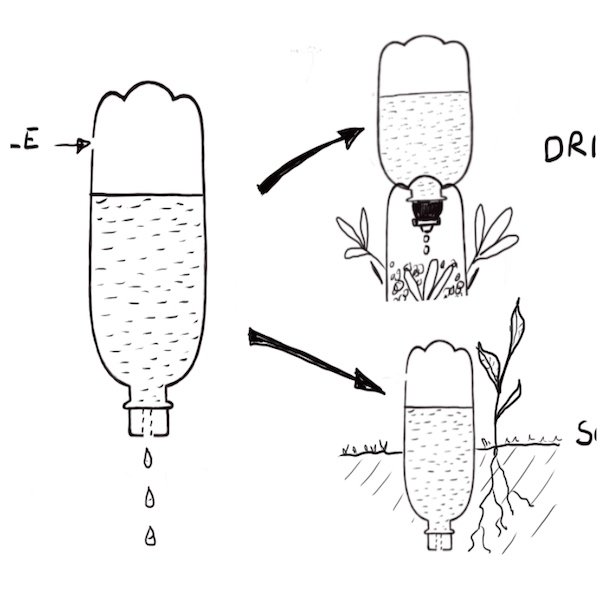
Overview: Making a hole or holes in a bottle top can create a sprinkler system. However it isn’t easy to control the speed of the flow of the water as the pressure inside the bottle varies depending on how full the bottle is. What can you do to create a system that only needs refilling at appropriate time gaps?

Task: You are to create a watering system from a plastic bottle that releases water at a controlled rate. so it only needs filling up at certain time intervals that you choose: Every 24 hours  every week etc

Equipment Provided: Plastic bottles (some with sports drinking caps if available) Knife / scissors. Optional Mounted needle and matches (for melting small holes )

Health and Safety: You must carry out your own risk assessment (Rubbish Science accept no liability)  Note: Take care when cutting. Take great care if burning holes – Chance of burning yourself and be aware that burning plastic gives off fumes so do in a well ventilated place

Things you might need to know / Questions you might ask:

  • Why doesn’t water come out of a bottle withe a hole in the lid when turned upside down?
  • How can I make water come out?
  • What happens if I make a bigger hole in the lid?
  • Do 2 holes drip twice as fast as 1?
  • How might I control the flow of water?

Prototyping: Try to answer the questions above using small scale experiments

Modifications:How might you modify your designs based on what your preliminary results look like? What have others done and what can you learn from them?

Prediction: What do you think will happen and why?

Do it: How are you going to see if your garden is successful?

What happened?: Was your bottle garden effective?

Tell Someone: Explain what you did and why you felt your plant growing was effective. Listen to others do they have any good ideas?

What did you learn? What do you know now that you didn’t know before you started this investigation?

Extension/Modify/Do it again: How could you extend this to produce a commercial plant growing business

Possible Model – How can you optimise the design?

Efficient Watering System


Efficient Watering System


Overview: Stacking bottles on top of each other and filling them with soil creates a very water and space efficient place for plants to grow. The question is what are the optimum conditions for plants to grow?

Task: You are to create a vertical bottle garden to grow the highest crop of spinach (or other)  plants in as tall a stack as possible

Equipment Provided: Plastic Bottles, scissors, compost/soil, seeds/plants, string,

Health and Safety: You must carry out your own risk assessment (Rubbish Science accept no liability)  Note: Be careful when cutting, wash hands after handling soil/compost

Things you might need to know / Questions you might ask:

  • What size bottles would be best?
  • How high can the stack be?
  • How will you ensure that the water is evenly spread through the bottles?
  • How many holes should you cut in the bottles to grow plants?
  • How could you include a self watering system/drip bottle?
  • Could you collect the water that seeps through to the bottom of the bottle garden?

Prototyping: Try to answer the questions above using small scale experiments

Modifications:How might you modify your designs based on what your preliminary results look like? What have others done and what can you learn from them?

Prediction: What do you think will happen and why?

Do it: How are you going to see if your garden is successful?

What happened?: Was your bottle garden effective?

Tell Someone: Explain what you did and why you felt your plant growing was effective. Listen to others do they have any good ideas?

What did you learn? What do you know now that you didn’t know before you started this investigation?

Extension/Modify/Do it again: How could you extend this to produce a commercial plant growing business

Possible Model – How can you optimise the design?

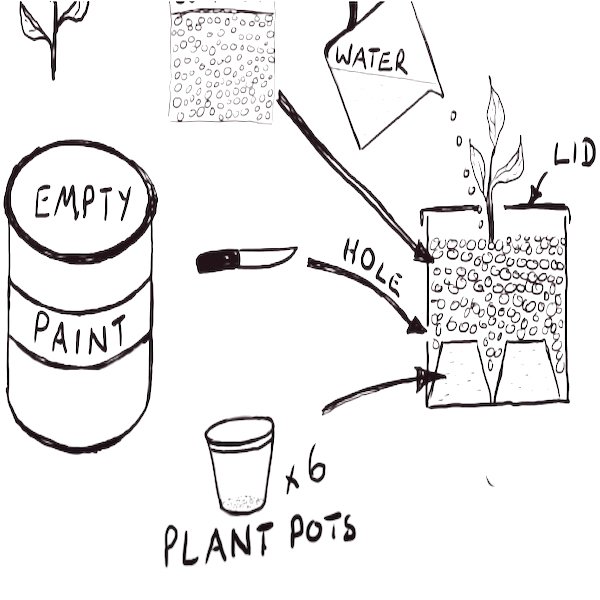
Self Watering System


Self Watering System


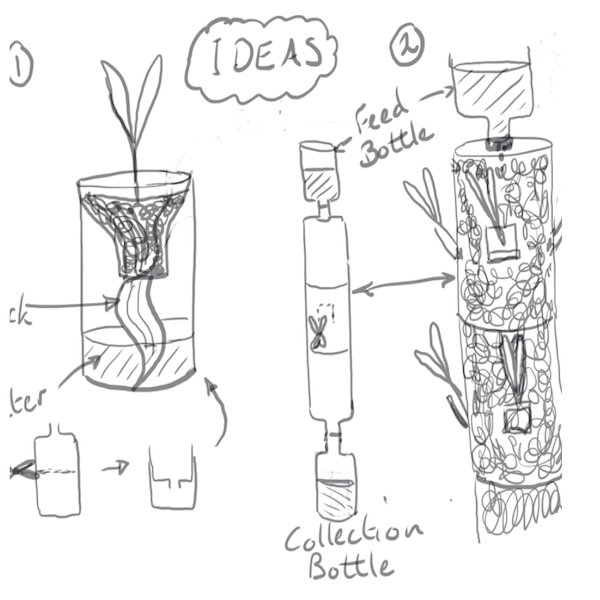
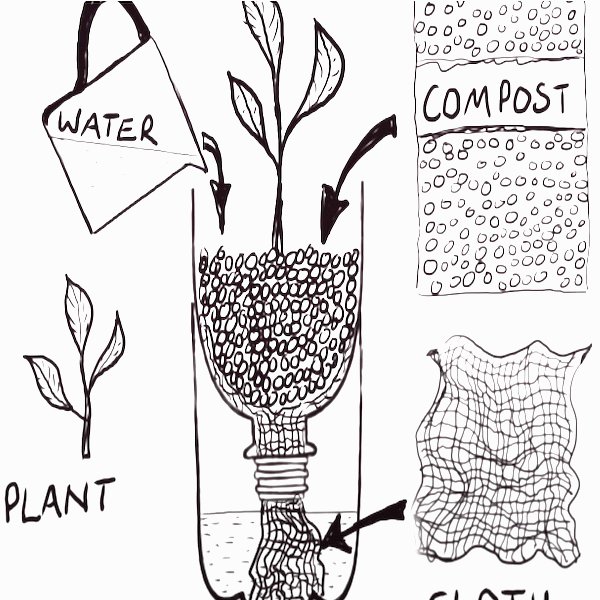
Overview: Plants in traditional pots lose a great deal of water through the bottom of the pot as well as through evaporation from the top of the soil. There are designs which allow a water reservoir at the bottom of the container that the roots can access either by using a wick that transfers water from the reservoir to the roots or  by having a separate section for the water

Task: You are to produce the most water efficient method for growing plants possible using plastic bottles, bags or containers.

Equipment Provided: Plastic Bottles, plastic bags, plastic containers, compost/soil measuring cylinder/bottle with gradations. seeds/plants. Paper/cloth/socks etc to act as a wick

Health and Safety: You must carry out your own risk assessment (Rubbish Science accept no liability)  Note: Take care when cutting and wash hands after handling rubbish and compost

Things you might need to know / Questions you might ask:

  • How much water do plants need?
  • Where is water lost when growing plants in a conventional pot?
  • What happens to a plant if the roots get completely waterlogged?
  • How can you get paper or cloth to act as a wick?
  • How might you reduce water loss by evaporation?
  • Why might putting a hole a few centimetres above the base be better than in the base itself?

Prototyping: Try to answer the questions above using small scale experiments

Modifications:How might you modify your designs based on what your preliminary results look like? What have others done and what can you learn from them?

Prediction: What do you think will happen and why?

Do it: Create a table of results or some way of comparing the amount of water used

What happened?: Was your garden effective?

Tell Someone: Explain what you did and why you felt your plant growing was effective. Listen to others do they have any good ideas?

What did you learn? What do you know now that you didn’t know before you started this investigation?

Extension/Modify/Do it again: How could you extend this to produce a commercial plant growing business

Possible Models- How can you optimise the design?

Producing Compost


Producing Compost


Compost is made from the breaking down of organic (natural) material. It is not the same as rotting. Leaves, uncooked food waste and cardboard can be broken down by bacteria and worms in order to produce nutrient-rich soil for plants to grow. Air is needed as the bacteria and worms need oxygen. Rotting which doesn’t need oxygen doesn’t provide the same nutrients or soil structure.


Task: You are to produce compost as quickly as possible

Equipment Provided: Plastic containers, cardboard, soil, uncooked food or garden waste.

Health and Safety: You must carry out your own risk assessment (Rubbish Science accept no liability) Note: Wash hands carefully after handling waste and compost. Be aware that compost bins can attract mice and rats.

Things you might need to know / Questions you might ask:

What is the difference between composting and rotting?

What are the best conditions for composting to occur?

What are the best materials to use to make compost?

Is animal dung useful?

What order should these materials be stacked in?

What size compost bin works best?

Should the materials be disturbed eg some compost bins can be turned upside down regularly?

Prototyping: Try to answer the questions above using small scale experiments

Modifications: How might you modify your designs based on what your preliminary results look like? What have others done and what can you learn from them?

Prediction: What do you think will happen and why?

Do it: How are you going to find what method works best? How will you record your results?

What happened?: Was your composter effective?

Tell Someone: Explain what you did and why you felt your composting was effective. Listen to others do they have any good ideas?

What did you learn? What do you know now that you didn’t know before you started this investigation?

Extension/Modify/Do it again: How could you extend this to produce more compost, more quickly?


King Edward’s VI School


King Edward’s VI School


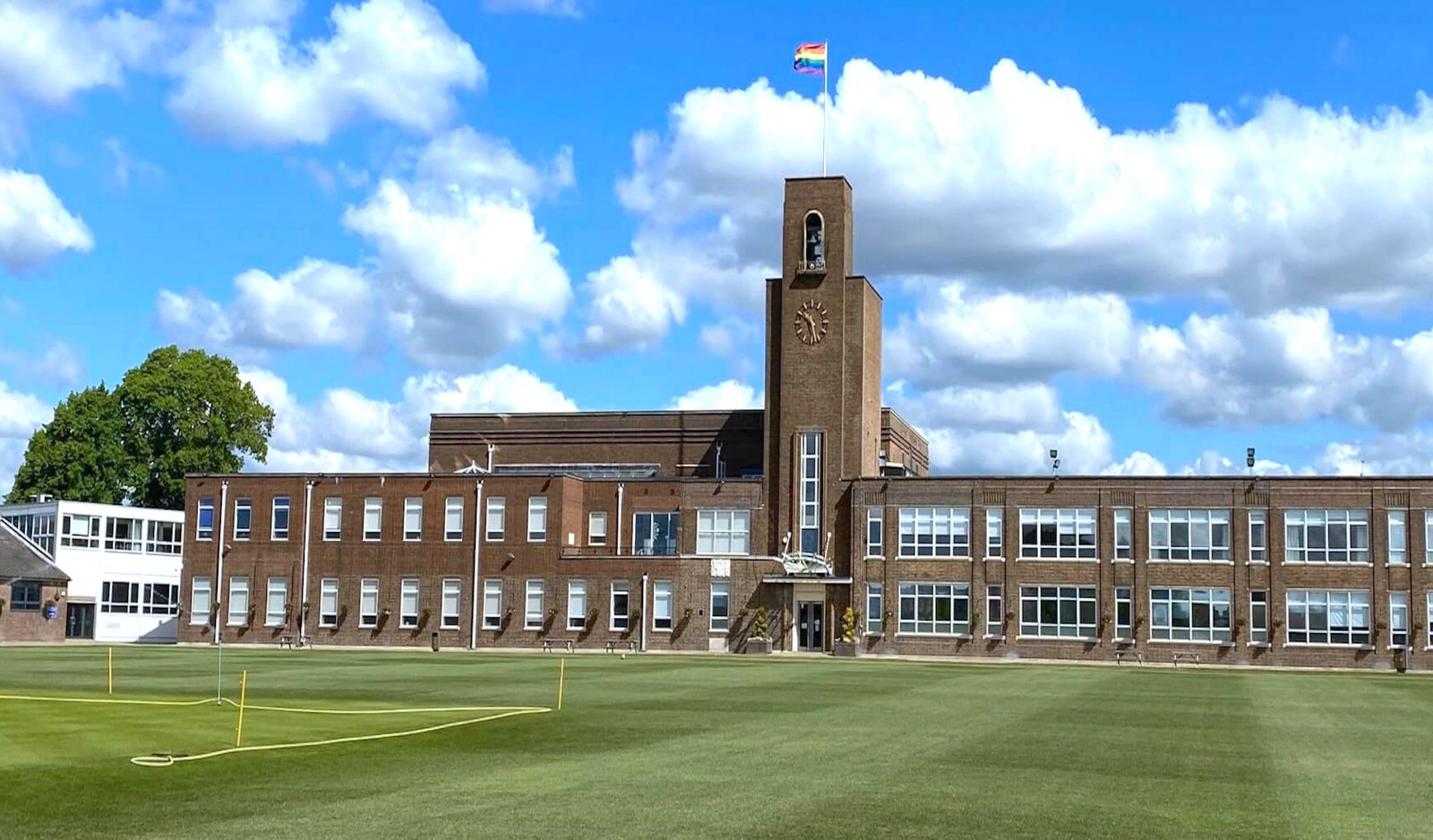
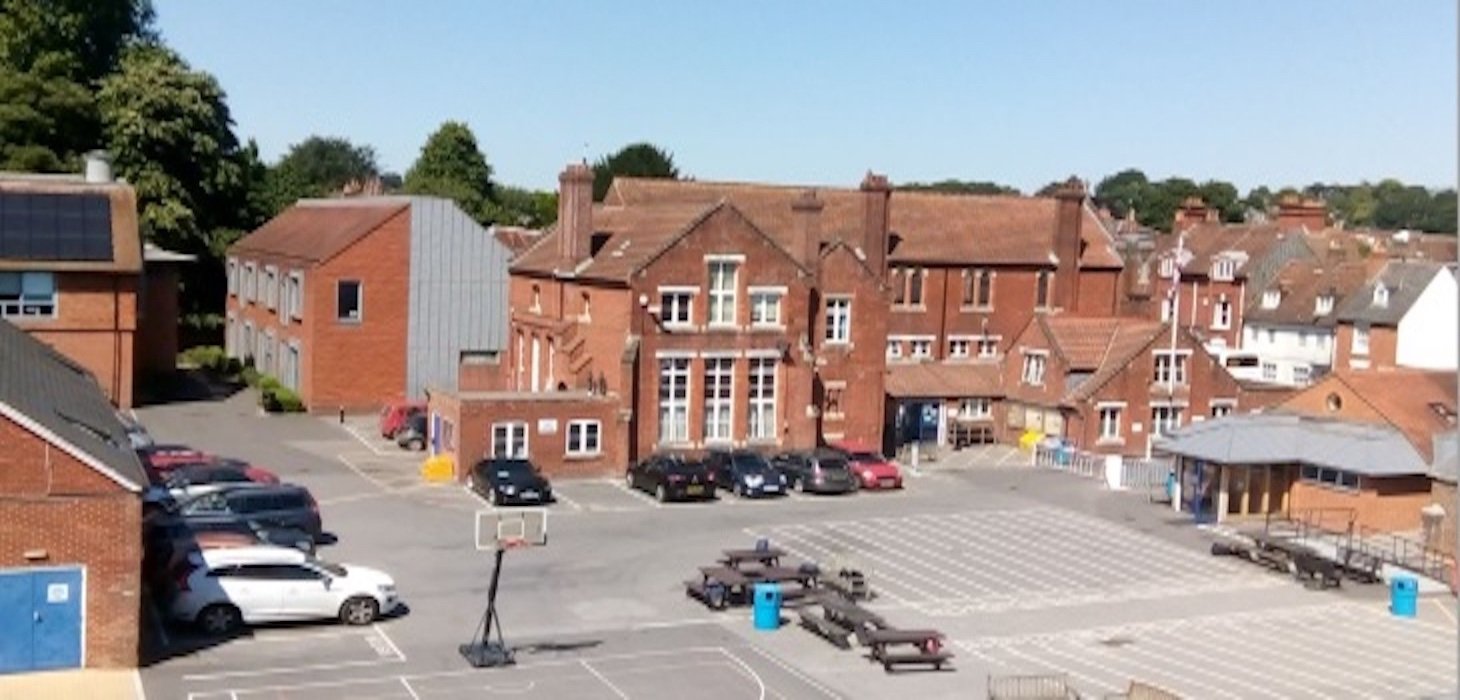
King Edward’s is the leading private school in Southampton, with its own prep school and extensive facilities. It has been part of the educational fabric of Hampshire for over 460 years. It is renowned for academic excellence, breadth of extra-curricular opportunities, and a passion for sport and artistic endeavour.
 

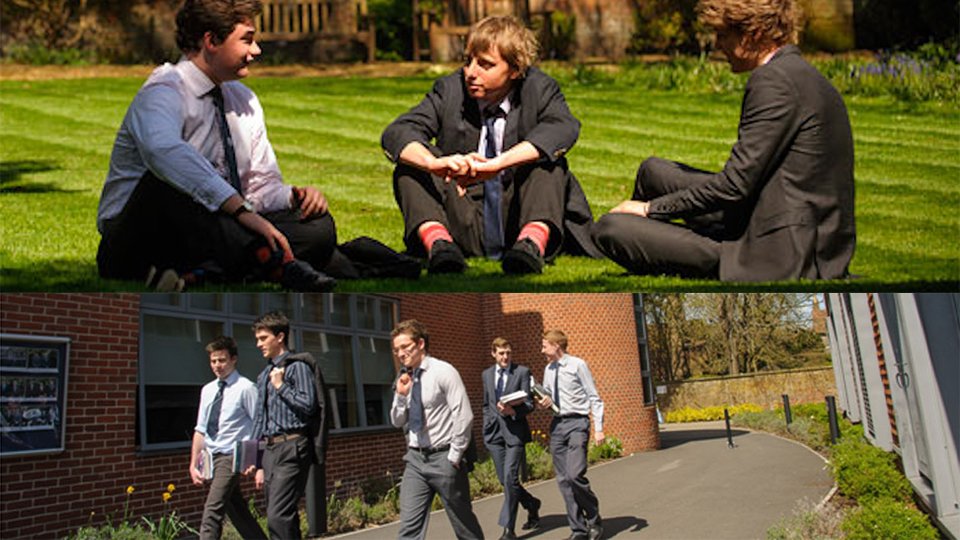
The School has excellent facilities with over £10 million invested in these over the past ten years. These give our students extensive opportunities to develop their interests in many areas of the curriculum including a wide range of clubs, societies, sports and cultural opportunities.

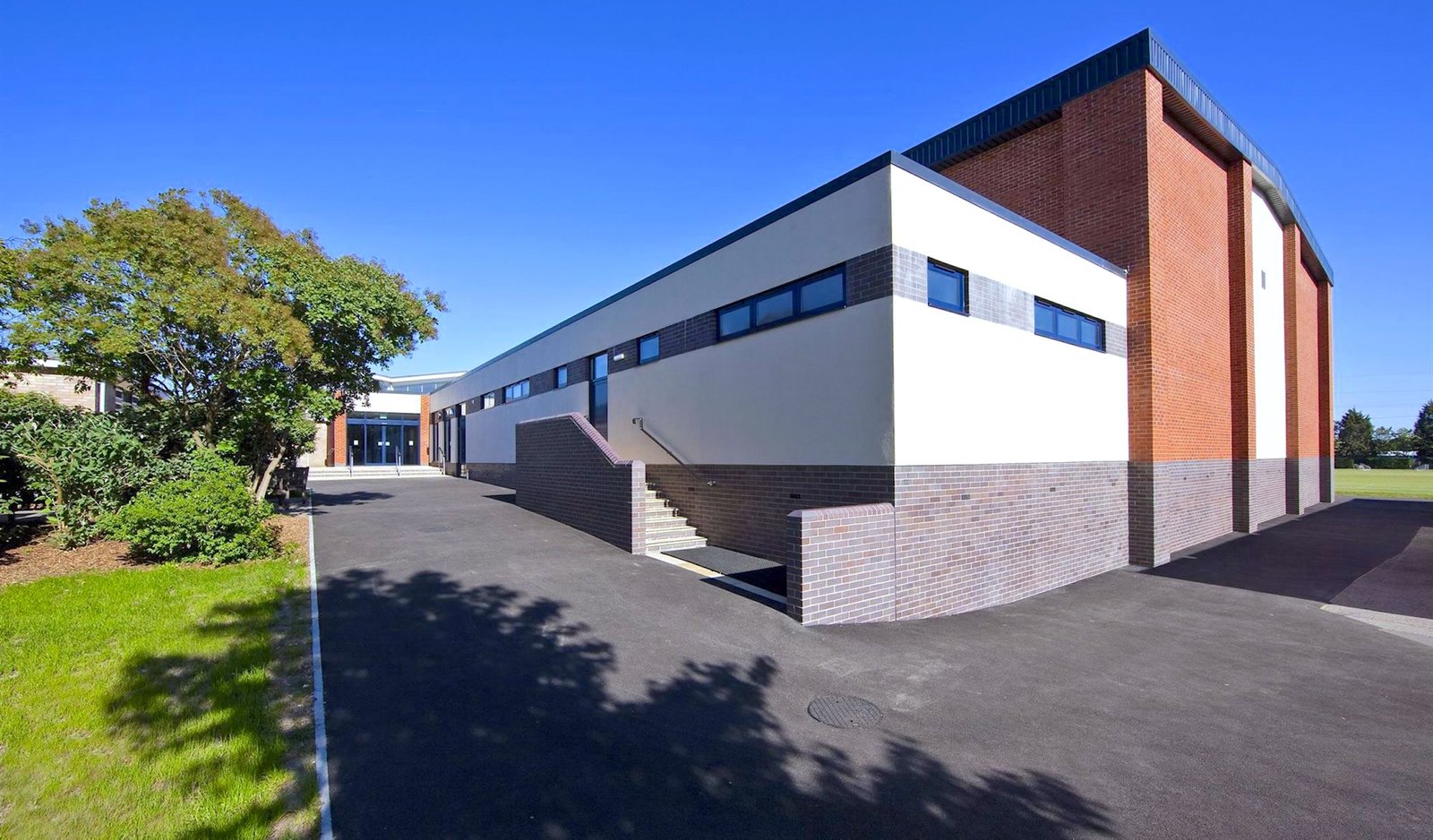
The School has been based on Hill Lane since 1938. With over 13 acres it contains an extensive range of facilities including a number of new additions and major refurbishments completed over the last few years. These include a professional-standard theatre, art studios, new design technology block, a refurbished dining hall, Sixth Form centre, ICT rooms, a security and access control system, and 17 science laboratories.
The school also have games fields, a sports hall, netball courts and a full astro pitch on site. The school also benefits from fantastic facilities off-site:

Wellington

The Wellington ground was purchased in 2004 from the University of Southampton. It contains thirty three acres of grounds, six tennis courts, four netball courts and a water based astro pitch. A large pavilion with eighteen changing rooms, a kitchen and catering facilities for over one hundred students is also available.

SWAC

Sailing takes place on Wednesday afternoons for the Sixth Form, and at weekends for other pupils. Our base is at Southampton Water Activities Centre (SWAC) which is an RYA recognised centre.

Lovaton

The Lovaton Rural Study centre was purchased in 2004. Located near Yelverton on Dartmoor, it has easy access to the moor, and was converted to provide an offsite facility for 24 students including accommodation, a refectory, study area and a drying room. It is used as a base for the Duke of Edinburgh Award as well as for academic study weekends and fieldwork.
 

Stroud School, Romsey – King Edward’s Preparatory School

Stroud is an exciting school where children thrive in our unique family environment. In May 2012 Stroud became the Preparatory School to King Edward VI, Southampton. This move brought together two highly successful Hampshire independent schools and the partnership is thriving.

Stroud is set within 22 acres of beautiful rural Hampshire countryside on the edge of the market town of Romsey. The outstanding outdoor facilities include sports fields, a swimming pool, ponds, woodland, riding stables, and a school farm. Forest and Beach School are an integrated part of young pupils’ learning.


CLICK TO ENTER KING EDWARD’S VI SCHOOL 360 TOUR
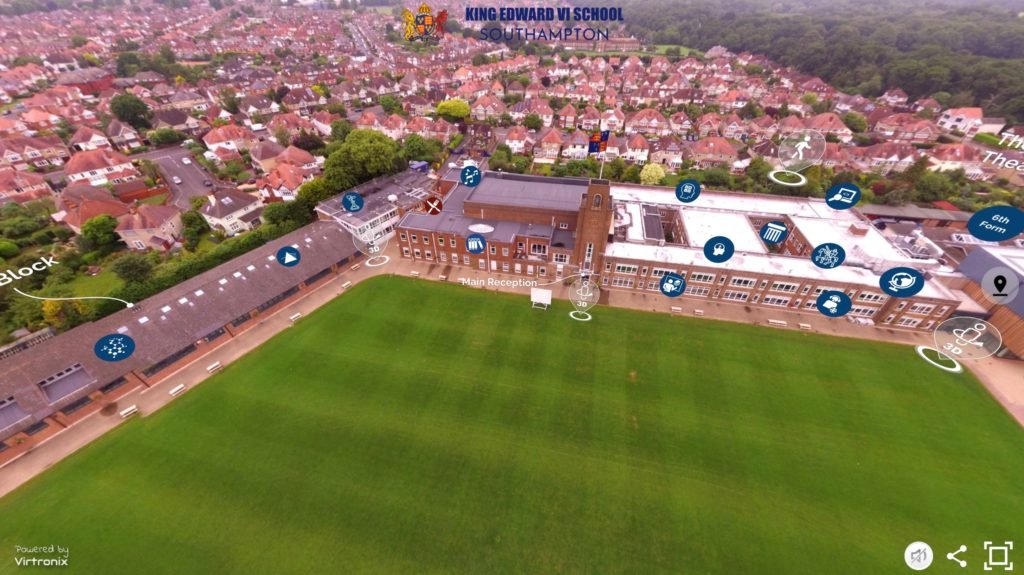
UNDERSTAND KINGS EDWARDS VI SCHOOL


[su_tabs style=”default” active=”1″ vertical=”no” mobile=”stack” class=””]

[su_tab title=”CURRICULUM” disabled=”no” anchor=”” url=”” target=”blank” class=””]


CURRICULUM OVERVIEW

LOWER SCHOOL

The curriculum in the Lower School aims to provide breadth, balance and variety of activity. All pupils follow a common curriculum in the First Year, as outlined below, with figures representing the number of 50-minute periods per two weeks allocated to a subject.

First Year

English

6

Geography

3

IT & Computing

3

Mathematics

6

Religious Studies

3

Physical Education

2

Junior Science

6

Art

3

Games

4

Modern Language 1

5

Drama

2

Extended Study

4

Latin

3

Design Technology

3

Tutorial period

1

History

3

Music

3

Notes

Pupils choose one of French or German or Spanish as their first modern foreign language.

Friday afternoons are devoted to the Extended Study Programme, comprising six different units over the school year.

Second Year

 In the Second Year pupils begin studying a second Modern Language.  They also opt to either continue with Latin or move to Classical Civilisation.

English

6

History

4

Music

3

Mathematics

6

Geography

4

IT & Computing

2

Junior Science

6

Religious Studies

3

Physical Education

2

Modern Language 1

4

Art

3

Games

4

Modern Language 2

4

Drama

2

Latin or Classical Civilisation

4

Design Technology

3

 Third Year

 In the Third Year pupils can switch their second Modern Language to Italian or Latin.  They also opt for three subjects from: Art; DT; Theatre Studies; Music; Latin; Classical Civilisation; and Computing.

English 6 Modern Language 1 4 Option subject 1 3
Mathematics 6 MFL2 / Latin / Italian 6 Option subject 2 3
Physics 4 History 4 Option subject 3 3
Chemistry 4 Geography 4 Physical Education 2
Biology 4 Religious Studies 3 Games 4

Notes

MFL2 indicates Modern Language 2.

Pupils study Biology, Physics and Chemistry separately, with 4 periods devoted to each science.

Pupils start a two-year course leading to Religious Studies short course GCSE at the end of the Fourth Year.

Plus three from Art*, Music*, Design Technology*, Theatre Studies*, Computing, Classical Civilisation, Latin.  *At least one option must be a creative subject.

UPPER SCHOOL

In the Upper School the core is reduced and pupils choose three options of 6 periods per two weeks each to complete their timetable. All students take Biology, Chemistry & Physics as separate GCSEs.

Fourth Year

English 6 Physics 5 Religious Studies 3
Mathematics 6 Chemistry 5 Physical Education 2
Modern Language 1 6 Biology 5 Games 4

plus 3 of

History*, Geography*, Economics*, Philosophy & Ethics (plus the HPQ)*, Latin, Classical Civilisation*, Modern Language 2 (French, German, Spanish, or Italian), Computing, Sports Science, Art, Music, Design Technology, Theatre Studies, Dance.

* – All pupils must take at least one humanities subject.

Fifth Year

As the Fourth Year curriculum, except that the 3 periods allocated to Religious Studies now provide students with a sixth period in each of the three sciences. Additional Mathematics is taken as an extra examination by a proportion of the year group (usually two sets).

SIXTH FORM

Students study four subjects the Lower Sixth, and three or four subjects to full A level in the Upper Sixth.  No subjects will sit AS level examinations.The Foundation Studies programme is followed by all in the Lower Sixth. Upper Sixth students taking three subjects may take the Extended Project or follow Foundation Studies courses. In addition, all have Open Forum and four periods of Games in both Lower and Upper Sixth. Full details are provided in the Sixth Form Curriculum Guide.

REPORTING

Parents receive two formal written reports during the course of the year and a parents’ evening provides an opportunity to discuss academic progress with teachers. Attainment and effort grades are provided in all three terms. Parents are invited to contact the Tutor in the first instance if they wish to raise any matter relating to their child’s school work or to arrange an individual meeting.


[/su_tab]

[su_tab title=”CHARACTERISTICS” disabled=”no” anchor=”” url=”” target=”blank” class=””]


THE CHARACTERISTICS OF THE SCHOOL


King Edward VI School is a selective independent day school founded in 1553. Since 1938 it has been on its present site near the centre of Southampton. The school has playing fields on site as well as extensive grounds with playing fields and sports facilities some distance from the school, to which pupils travel by coach or minibus.

Most pupils join the school at the age of eleven in approximately equal numbers from maintained primary or independent preparatory schools. There are additional points of entry at the ages of thirteen and sixteen. Pupils are selected through an interview, a report from the head of the previous school and the results of an entrance examination with GCSE grades used for sixth-form entrants. Some forty pupils leave from Year 11 each year and approximately twenty enter the sixth form from a mixture of maintained and independent schools.

The total number of pupils is currently 974 of whom 737 are in Years 7 to 11 and 237 in the sixth form. Altogether there are 584 boys and 390 girls in the school. The pupils come from as far away as Salisbury, Fareham and the New Forest. Many travel by the school’s own bus service. They are mostly from professional and business families. The range of backgrounds is extended through the school’s bursary scheme. Pupils are predominantly of white British origin, with a small proportion of other cultural backgrounds, mainly from local Asian and Chinese communities.

The school aims to maintain and extend academic excellence, to foster in every pupil a sense of personal worth, to help each achieve his or her potential and to offer an extensive range of extra-curricular activities. It seeks to develop and sustain close links with the community and to encourage all its pupils to become responsible members of society. The school emphasises the importance of contact with parents.

The ability profile of the school is significantly above the national average. Sixty-one pupils have been identified as having special educational needs and/or disabilities (SEND) and eighteen of these receive specialist learning support from the school. A further seventeen pupils receive specialist learning support in literacy but have not been formally assessed as having specific learning difficulties. Thirty-six pupils have a first language other than English but only two of these require language support.

National Curriculum (NC) nomenclature is used throughout this report to refer to year groups in the school. The year group nomenclature used by the school and its National Curriculum equivalence are shown in the following table.


[/su_tab]

[su_tab title=”SUCCESS” disabled=”no” anchor=”” url=”” target=”blank” class=””]


THE SUCCESS OF THE SCHOOL


King Edward VI is a thriving and highly successful school at which pupils gain a rich and varied educational experience. The school meets its aims in full. Academic achievement is excellent at all levels for boys and girls, and this shows in the pupils’ attainment in external examinations and in the standards they usually achieve in lessons. Wider achievement is excellent and is enabled by the extensive and vibrant enrichment programme provided by all departments and energetically supported by staff. Achievement in extra-curricular activities, including sport, music and drama is of a very high standard. Teaching is good overall with a significant proportion being excellent and a small proportion being no better than sound. The highest levels of pupil achievement are underpinned by excellent teaching. Where teaching is less than excellent this reduces the capacity of pupils to achieve at the highest level.

Pupils’ personal development is excellent and fully meets the school’s aim of developing self-confidence and independent young people who have a strong sense of community. The school’s extensive range of extra-curricular and charitable activities makes a very significant contribution to the school’s aim of encouraging pupils to become responsible and reflective. The school is meticulous in its approach to safeguarding and child protection and has all the necessary arrangements in place to manage the pupils’ welfare, health and safety. The pastoral work of the staff is key to pupils’ excellent personal development and to meeting their needs. Relationships both between pupils and with staff are very good and pupils are very positive about their time in school.

Governance is excellent, being suitably focused on educational development, with safeguarding given a very high priority, and financial guidance that is outstanding. Leadership and management are good with some excellent features. A high standard of leadership from the senior team has promoted significant initiatives which have led directly to the many areas of excellence. Work on the development of the quality of teaching has also had a positive impact. Links with parents are excellent, and parents express very strong support for the school.


[/su_tab]

[su_tab title=”QUALITY” disabled=”no” anchor=”” url=”” target=”blank” class=””]


THE QUALITY OF ACADEMIC AND OTHER ACHIEVEMENTS


The quality of pupils’ achievement and learning in curricular and extra-curricular activities is excellent.

Pupils are very well educated, in line with the school’s aim to maintain and extend academic excellence and to help each achieve his or her potential. Standards of achievement have been maintained since the last inspection. Pupils demonstrate high levels of subject knowledge and understanding in most lessons. Pupils in all year groups have excellent literacy skills. Spelling is of a very high standard, pupils are able to analyse texts and develop sophisticated arguments in essays, and they are confident and adept in speaking and listening. Creativity is very well developed through lessons in English, art, music and design technology.

Pupils demonstrate highly developed skills in independent thought and reasoning. Individual research forms an integral part of many courses and is particularly demonstrated through the Extended Project Qualification in the sixth form. Numeracy skills of a very high calibre are developed, both in mathematics and in other subjects including science. Excellent application by pupils of information and communications technology (ICT) was observed in a variety of lessons although in a few areas pupils were less confident in its use. The range and level of physical activity is excellent.

Most pupils continue their education at highly selective universities in the UK covering a wide range of courses.

Pupils’ achievement in sports and other extra-curricular activities is excellent. Sporting successes are extensive across a very wide range of activities and there are consistently high levels of achievement in music and drama. These represent both individual and collective achievements at an outstanding level.

The following analysis relates to 2009 to 2011, the most recent three years for which comparative data is available. GCSE performance was well above the national average for maintained schools, and above the national average for maintained selective schools. IGCSE results in mathematics and geography have been higher than worldwide norms (and for mathematics where UK benchmarks exist, higher than UK norms). A-level results have been well above the national average for maintained schools, and above the national average for maintained selective schools. In 2010 girls’ results were far above the national average for girls in maintained schools; similarly in 2011 boys’ results were far above the national average for boys in maintained schools. The level of attainment at GCSE, and the nationally standardised progress data that is available, indicates that pupils make good progress relative to the average for pupils of similar ability, and they generally make very good progress in most of their lessons and written work. In some of their lessons they make good but not excellent progress, reflecting some variability in the extent to which teaching builds upon the pupils’ abilities.

Achievements by pupils with special educational needs and/or disabilities are very good. Pupils enjoy much success in mixed ability groups across the curriculum. Gifted and talented pupils also achieve very well, contribute well to class discussions and argue cogently, making excellent progress.

In almost all classes, pupils have positive attitudes to their work. They are well- motivated learners able to study independently but also able to collaborate to good effect. Pupils are usually well-behaved in class and take an active part in discussion, asking and answering questions. Pupils participate very enthusiastically showing genuine enjoyment and perseverance. The most able relish additional opportunities to extend their learning although this is not offered in all lessons. Pupils are able to reflect on their achievements and comment thoughtfully upon one another’s work. These opportunities fulfil the school’s aim of fostering a sense of personal worth. In the questionnaires pupils expressed a very positive view of their academic progress, the range of activities open to them and the level of staff support they received.

The contribution of curricular and extra-curricular provision is excellent.

The curriculum is broad, balanced and flexible, with the school taking great care to meet the pupils’ subject preferences wherever possible. The curriculum provides effectively for all the areas of learning and contributes significantly to the pupils’ achievements. It is successfully combined with the extra-curricular programme to fulfill the school’s aim to promote academic rigour, intellectual challenge and service to others.

Throughout the school, pupils are able to develop an extensive range of skills. All pupils study biology, physics and chemistry at IGCSE. The school offers a good range of modern foreign languages as well as Latin, Greek or classical civilisation. There is excellent provision for the fostering of the pupils’ aesthetic and creative development through music, art and drama. Pupils’ choices of option subjects are carefully guided at each key stage. The school has successfully introduced the IGCSE for all core and a number of optional subjects. In the sixth form, pupils are able to choose from a wide range of subjects at both AS and A levels. Sixth formers can take the Extended Project Qualification, which enables them to explore in depth an area of academic interest to them. Members of the sixth form also benefit from Open Forum, a programme of stimulating lectures which encourage them to think more deeply about themselves and the world around them.

The curriculum provides excellent support and intellectual stimulus for pupils of all abilities. Those with SEND are identified at an early stage and receive extra support within the classroom. Specialist help is also available. Staff have access to regularly updated information and guidance. For more able pupils, the school provides opportunities for extension work within the classroom, and outside it through mathematics competitions and creative writing in English. Setting in some subjects also supports their academic needs.

Pupils’ personal development is enhanced by a comprehensive personal, social and health education (PSHE) programme. Pupils’ learning is effectively supported by the library, which is well stocked with printed material and electronic resources.

The quality of the careers advice provided by the school’s guidance department is now excellent, and meets the recommendation to improve careers guidance made at the previous inspection. Valuable opportunities for work experience are available.

Many pupils take advantage of the extensive range of educational visits, including overseas, which offer a significant learning experience.

The school’s extra-curricular programme is outstanding. The school offers all its pupils an exceptionally wide and diverse selection of clubs and activities. The Duke of Edinburgh’s Award scheme is a particular strength of the programme. Learned societies enhance pupils’ intellectual development by enabling them to consider and debate historical, scientific, ethical and religious issues. Drama and music are outstanding, and many pupils benefit from the wide range of sports offered within the programme. Pupils also take advantage of the school’s close links with the local community, which include joint activities with local state schools. The school raises considerable sums each year through its charitable giving. Many of the clubs and activities are linked to the curriculum and contribute significantly to pupils’ personal development.

The quality of teaching is good overall.

Teaching generally meets the aim of the school to extend academic excellence. The previous inspection recommended that the development plan should focus on priorities for teaching and learning to ensure that all departments work towards the achievement of these priorities. The school has taken steps to focus on these priorities and to introduce new ways of making teaching more effective and to achieve the highest standards in all lessons, but as yet the programme does not make a full impact across all areas of the school.

The great majority of teaching seen was good and a significant minority was excellent, whilst a lesser proportion was sound and a very small proportion unsatisfactory. Excellent teaching is seen where lessons are very well planned to meet the full range of learning needs, have a brisk pace and are exciting and challenging for the pupils who are, in turn, keen to learn to the best of their ability in all areas of the curriculum. For example, a Year 7 music lesson on samba produced an exciting build up with all the pupils actively engaged, while in Year 13 science, sixth formers argued cogently in a debate about the evidence for global warming, showing independent thought and developing their understanding of a contentious topic. In the excellent lessons, pupils were made fully aware of their progress by means of positive feedback and responded very well to this. Less effective teaching occurs when the management of pupils’ learning is weaker, too much reliance is placed on note-taking from the board, underperformance in class is not always identified and pupils’ ‘off task’ chatter is not sufficiently challenged. A small minority of teaching does not do enough to ensure that pupils concentrate fully.

Teachers have excellent subject knowledge, which many impart enthusiastically. Teaching promotes lively discussion in the classroom, as seen in a Year 10 drama lesson, where pupils commented with enthusiasm and insight on a recent theatre visit. Time is used well, as is a variety of topics and resources. Pupils’ exercise books are well kept, tidy and the standard of marking is excellent in some departments although less good in others. Assessment data is available centrally and is communicated to teachers to track pupils’ progress.

Most teaching enables the pupils to make consistently good progress and assessment further promotes high standards. However, some lessons do not do enough to provide intellectual challenge for the most able pupils. Teachers work to engender enjoyment of learning and have a good rapport with the pupils. There is an expectation of a high standard of written work, frequently met. Teachers are well aware of the number of gifted and talented pupils within the school and there is evidence of work set to meet the needs of the most able, but it is not routinely embedded in all lessons. Pupils with particular learning needs are well catered for with work tailored to their individual needs.

The school has invested heavily in technology. All classrooms have well-used interactive whiteboards and ICT is consistently and expertly used in many subject areas.

[/su_tab]

[su_tab title=”PUPILS” disabled=”no” anchor=”” url=”” target=”blank” class=””]


THE QUALITY OF THE PUPILS’ PERSONAL DEVELOPMENT


The pupils’ spiritual, moral, social and cultural development meets the aims of the school to foster a sense of personal worth and is in line with the findings of the previous inspection. As pupils move up the school they develop into confident and articulate young people with high self-esteem and a willingness to express their views. They have excellent communication and inter-personal skills and can socialise with ease with people from a wide range of backgrounds. They are reflective and self-critical, recognising their own strengths and weaknesses. They have a keen sense of fair play and demonstrate care and thought for others, with many senior pupils helping and supporting younger groups.
Pupils show a generosity of spirit and appreciate the circumstances of those less fortunate than themselves. The strong ethos of community service is evident with high levels of participation in volunteering and charitable fundraising. Sixth formers work with disadvantaged children in South Africa and Romania, whilst others organise a residential course locally for young carers. A variety of partnerships with local primary schools operate for pupils in Years 10 and 11 such as a reading scheme. Pupils have a keen interest in promoting sustainability and run an active Green Team, which gained the Green Flag Award, and also support the Green Power Club which designs and makes fuel efficient cars. They have developed an easy approach to pupils of different nationalities and show a sound understanding of cultures other than their own. Pupils regularly participate in meetings which highlight global human rights issues.
Pupils take advantage of the many opportunities for leadership, from prepositors and prefects to house and music captains, and relish their responsibilities. In many cases they have taken strong initiatives in organising activities and events, for example when a sixth form girl recently set up and organised a chamber choir which performed locally and at a major London venue.
The pupils’ well-developed aesthetic and spiritual awareness is demonstrated through high quality music and drama performances and their thought-provoking artwork which is displayed around the school. They also participate in a variety of activities such as Christian Union, Muslim prayer, Thought for the Day and assemblies. Pupils speak of the feelings of awe they experienced on residential trips to locations such as Alaska, Thailand and Mexico.
Relationships between pupils are generally friendly and relaxed, including between those of different nationalities and ethnicity. Boys and girls appear happy and comfortable. Relationships between staff and pupils are positive and supportive. Pupils find PSHE lessons, which include guidance on internet safety, relevant and interesting and enjoy the many outside speakers. They develop their own set of values, while respecting and appreciating those of others, and are able to explain and defend their views during classroom discussions, for example during a psychology lesson on the criminal justice system and one in economics on the ethics of the banking system.

The school’s arrangements for pastoral care are excellent.

The support for pupils is excellent and pastoral structures include a high level of communication between all those concerned. The school’s computerised record system provides ready access to pupil profiles for the pastoral team and is used extensively to co-ordinate support. Teachers and form tutors know their pupils extremely well. Inspectors noted positive relationships between staff and pupils, and this was confirmed by pupil questionnaire responses and pupil interviews. Pupils are very clear that they always have a member of staff they can turn to if they are worried or concerned. The food provided by the school is popular, and healthy food options are always available and clearly labelled for allergy sufferers. The timetable provision for exercise is good and the extensive extra-curricular programme offers many opportunities for physical activity.

The school is effective in promoting good behaviour. The behaviour code, and the system of rewards through the merit system are reinforced by an effective PSHE programme. A small minority of pupils who responded to the questionnaire said that they felt teachers were not always fair in the way they allocated rewards and sanctions, though inspectors found no evidence to support that view. Sixth form lower school prefects work with tutor groups and provide valuable role models. Pupils report that bullying or harassment is minimal and is dealt with quickly and constructively by the school. Staff maintain accurate records of any incidents allowing overall patterns of behaviour to be identified. The school has a suitable plan for meeting the needs of pupils with disabilities and those with statements of special educational needs.

The school takes very seriously its duty to seek and act on the views of its pupils. A high number of improvements to the school and school activities have been put in place as a direct response to pupil opinions. Initiatives include the well-organised school council, the pupils’ Green Team, focused on practical energy-saving and ‘eco-friendly’ initiatives in school, consultations on school uniform and the design of lockers and regular surveys of pupils’ views of the school. A proportion of those pupils who completed the inspection questionnaire felt that the school did not listen to or respond to their views, but inspectors did not find evidence for this view.

The school’s arrangements for welfare, health and safety are excellent.

These arrangements have regard to official guidance, with a suitable strategy for safe recruitment and appropriate arrangements and training of staff for child protection. All the required policies relating to welfare, health and safety are in place, implemented and regularly reviewed. All measures are taken to reduce risk from fire and other hazards with meticulous arrangements for practical safety throughout the school and appropriate risk assessments undertaken for activities in school and during trips and visits. A well-equipped medical centre staffed by qualified nurses provides for pupils who are ill or injured, and suitable provision is in place for pupils with special educational needs and/or disabilities. Admission and attendance registers are properly maintained and correctly stored for the previous three years.


[/su_tab]

[su_tab title=”GOVERNANCE” disabled=”no” anchor=”” url=”” target=”blank” class=””]


The QUALITY of GOVERNANCE


The governing body provides excellent and constructive oversight for educational standards, financial planning, and investment in staff, buildings and resources, and is fully committed to the aims and ethos of the school. The governors are highly effective in discharging their safeguarding responsibilities, putting the welfare, health and safety of the pupils at the heart of all they do and carrying out an annual review of safeguarding and child protection arrangements. A comprehensive development plan, rewritten every three years, informs long term planning. Prudent financial control has ensured that the school has the resources to provide first class facilities whilst remaining debt-free.

Governors bring significant financial experience and a valuable range of expertise to the board, which is optimised by the sub-committee structure. This allows governors to have the time to scrutinise the policies of the school to ensure both compliance and improvement. The governors have a very good insight into the workings of the school and attend a wide range of meetings and events, including visiting lessons and meeting pupils and are seen as an important part of the school community. They are informed by regular and comprehensive reports about the school’s activities and staff observers attend all governors meetings. Governors, particularly the chairman and vice-chair, work very closely with the head and the bursar, providing a strong source of advice and support, whilst having a clear appreciation of the line between the strategic and operational. They have effective mechanisms for evaluating the work of the head and the bursar, and one governor oversees the school’s committee which ensures regulatory compliance. The work of the governing body is reviewed on a three-year cycle by a professional association specialising in governance and feedback is provided to reflect on and improve practice. New governors are provided with comprehensive induction arrangements and well-chosen training to allow them to carry out their duties with diligence and care.

The quality of leadership and management, including links with parents, carers and guardians is good.

Good leadership and management ensure that the school’s aims are met, including preparing pupils for a rapidly changing world, pursuing high academic achievement, and the provision of very good opportunities to take part in a wide range of extra- curricular activities, of excellent provision and maintenance of facilities and of an excellent standard of pastoral care. This high standard of leadership provides excellent personal development for the pupils. The professional approach of senior leadership is balanced by care for individual members of staff, and those involved in management listen as well as lead.

A continuous review process of every aspect of the school’s work using self- evaluation and external review helps the school to identify management needs. Using this and other information, including the recommendations of the last inspection, the senior management team have set priorities and are working towards meeting them to excellent effect in almost all areas. Arrangements for the management and organisation of bursarial duties, health and safety, and premises and accommodation are excellent.

The implementation of plans to improve the quality of teaching and learning is well established. A number of innovations have already been put in place although the school is aware that there is more to be done. Senior managers have taken steps to support faculty and department managers in this area but there is additional support work to be done to bring all teaching in the school up to the standard of the best.

Chains of command are clear, managers are accountable and there is strong element of structure and transparency to management. The leadership of the school is successful in applying safe recruitment policies, and in securing, supporting, developing and motivating sufficient high quality staff. The school ensures that staff are suitably trained for their roles in safeguarding and welfare, health and safety to meet the needs of pupils.

The recent introduction of an annual professional development review at departmental level helps to strengthen the role of middle management and encourages mutual lesson observation and the monitoring of pupils’ learning in each subject. The full effect of this is yet to be felt, but planning for it has been good and it provides a useful addition to the longer established three yearly reviews. The latter is a more comprehensive procedure involving the whole work of a teacher, including work outside the classroom, and ending with a meeting with the head. This is highly effective in enabling the head to remain informed about the work of the whole school as well as the performance, insights and aspirations of individual teachers.

Professional reviews also feed into thorough and detailed development planning. Plans are made widely available so that the educational direction of the school is clear to everyone, including parents and pupils.

Regular improvement of facilities has made very good use of the space available on site so that provision for sport, for example, is excellent. Management of non- teaching staff is highly effective, supporting the work of the school in all areas and dealing efficiently with necessary maintenance. The cleanliness and tidiness of the site makes it a very pleasant place in which to work and learn. The grounds are well maintained, both at school and in the superb Wellington sports facility.

The school’s relationship with parents is harmonious and positive. Responses to the questionnaire distributed as part of the inspection process show that parents feel their children receive a good education and inspectors agree. A small minority of parents did not feel the school encouraged them to be involved but inspectors found that there was a number of opportunities available and that many parents were involved in the life of the school. In turn, all the school’s representatives who were asked on this point, stated unequivocally they found parents very supportive. The excellence of this relationship helps to foster links between the school and the community.

The school website contains the required information for parents, is impressively maintained in order to be up to date, and is a particularly valuable method of contact. Regular newsletters and information booklets provide another method of communicating with parents, and keeping them informed of developments in the life of the school.

A small number of parents who answered the questionnaire said that they were not satisfied with the information they were given about their child’s progress, but this is not borne out by the evidence seen by inspectors. Since the last inspection, efforts have been made to sharpen the focus of reporting. The framework is based on clearly stated style and content instructions, and reports by teachers are made available through the school’s internet-based information system. Reports contain subject specific suggestions for each pupil indicating areas for improvement. Reporting on pupil progress occurs twice yearly, and a meeting for parents with teachers provides the third opportunity in the year.

The parents’ association contributes directly to school activities, in particular the extra-curricular and charitable work done in the school. It also organises a programme of social events for parents, supports sports events through its hospitality team, and aims to engage with all areas of the school community. The school has provided a number of opportunities for parents to be involved in discussions and offers training in handling adolescent development and parenting issues.

A parental complaints policy is in place, is available on the school website, meets requirements and is followed when necessary.

[/su_tab]

[/su_tabs]
Parkstone Grammar School


Parkstone Grammar School


Parkstone Grammar School is a large selective school for girls in Poole. It has a much higher proportion of most able pupils than the national average and lower proportions of pupils who are disadvantaged, who have special educational needs and/or disabilities or who speak English as an additional language.


The school does not meet requirements on the publication of information about its accessibility plan on its website.

The school does not comply with Department for Education guidance on what academies should publish about contact details, the special educational needs report and equality objectives.

 The school uses one alternative provider, the Quay School.

Some subjects in the sixth form are taught jointly with a neighbouring school. A small number of post-16 students also attend A-level courses at that school.

The school meets the current government floor standards at key stage 4.


It is a larger-than-average-sized 11 to 19 school. It is an International School, an ITT partner with Exeter University, and holds awards for Sportsmark.

Parkstone Grammar School converted to become an academy school on 1 January 2011. When its predecessor school was last inspected by Ofsted, it was judged to be outstanding overall.

The school is a member of the South West Academic Trust. This consists of a partnership of 10 grammar schools in the South West region and the University of Exeter.

Over 90% of the students are from White British, Irish or other White or mixed White backgrounds. The proportion from minority ethnic groups is well below the national average. The proportion of students who speak English as an additional language is well below the national average.


The proportion of students eligible for the pupil premium is below the national average. The government provides additional funding to support these students because they are at particular risk of underachieving.

Around 2% of the students are disabled or have special educational needs. The proportion of students supported by school action, school action plus and those with a statement of special educational needs is well below national averages.

No students are enrolled on any alternative programmes operated by other schools or colleges.

The school significantly exceeds current government floor standards, which set the minimum expectations for students’ attainment and progress.

The school has seen a number of significant staff changes during the last six months, including the appointments of two new assistant headteachers and a new headteacher.


Understand Parkstone Grammar School  


[su_tabs style=”default” active=”1″ vertical=”no” mobile=”stack” class=””]

[su_tab title=”CURRICULUM” disabled=”no” anchor=”” url=”” target=”blank” class=””]


CURRICULUM OVERVIEW


Attainment in the sixth form is very high. Students respond to their specialist teaching well so that by the time they leave at the end of Year 13 they are attaining at the highest levels. For example, in 2017 15% of A level grades were at A*, up from 10% in 2016. For a number of years, approximately three-quarters of all A-level grades were B or above.

For a school of its kind, the requirements for entry into the sixth form are relatively low. Approximately 20% of students join the school in Year 12 and as a group they make significant progress in their two years at the school.

Teaching in the sixth form is outstanding. Teachers deploy their specialist knowledge to push students on to high levels of attainment. As a result, they excel, including the most able. Students talk appreciatively of how their teachers help them to learn and how teachers encourage them to study their subjects beyond the confines of the examination specifications. They particularly appreciate the help that teachers give them in identifying and locating additional wider reading. Students recognise that this is very good preparation for their studies in higher education.

The school meets all the requirements of the 16 to 19 study programmes. Indeed, the decision that all students will take three A levels rather than four means that students now have broader opportunities to undertake meaningful, high-quality non-qualification activities, including work experience and volunteering. This ensures that they are very well prepared for future employment and life generally. This approach also ensures that students’ personal development remains at the heart of the study programmes.

There are no students in the sixth form who do not have at least a grade C or a grade 4 in both English and mathematics. There is no need for the school, therefore, to provide tailored retake courses in these subjects in the sixth form.

Attendance in the sixth form is high and improving. There is very little unauthorised absence indeed. This is because students value their learning and enjoy coming to school. Rates of retention are very high and few students do not complete the courses they start.

High-quality careers guidance ensures that students move on to meaningful and sustained destinations, chiefly in higher education. In 2017, all students who had been eligible for the pupil premium when they were in key stage 4 went on to university.

As it is in the main school, safeguarding is highly effective in the sixth form. Students say that they feel safe and are well prepared for adulthood.


[/su_tab]

[su_tab title=”CHARACTERISTICS” disabled=”no” anchor=”” url=”” target=”blank” class=””]


THE CHARACTERISTICS OF THE SCHOOL


Teachers at Parkstone Grammar are knowledgeable, enthusiastic and highly skilled. They inspire pupils with a love of learning and build successfully on pupils’ high levels of self-motivation.

Teachers have high expectations of pupils and set high standards. Pupils rise willingly to these. Teaching is characterised by strong subject knowledge. Teachers use highly effective questioning to assess, probe and develop pupils’ understanding. Feedback, in whatever form it is given, is particularly good at helping pupils to make rapid progress. Pupils say that the feedback they receive from teachers is one of the most effective things that help them to make rapid progress. Teachers quickly identify misconceptions and use these as a springboard to further learning and deeper understanding.

Lessons are well planned to ensure that pupils are challenged, whatever their starting points. Pupils are made to think, and think hard, about the material they are studying. Teaching is particularly effective in using challenge to promote very rapid progress by the relatively small number of pupils who join this selective school with prior attainment in line with the national average.

Teachers are unswerving in their belief that all of their pupils can succeed at the highest levels and give their time unstintingly to pupils as a result. When asked by inspectors what they liked most about the school, pupils almost invariably mentioned the teachers, and their willingness to help, as the first thing they thought of. Relationships between pupils and their teachers are very strong and provide a solid foundation upon which to build success.

Teaching is at its most effective where it is targeted precisely at pupils’ individual needs, of which teachers have a good understanding. Teachers are adept at letting pupils drive forward their own learning by responding effectively to their questions and capitalising on their interests and enthusiasm.

Teachers’ excellent, specialist subject knowledge makes teaching in the sixth form highly effective.

Pupils join the school with typically very good skills in reading, writing and mathematics, which teaching goes on to develop very rapidly, promoting high levels of attainment. Very occasionally, teaching does not identify some errors in literacy quickly enough.


[/su_tab]

[su_tab title=”SUCCESS” disabled=”no” anchor=”” url=”” target=”blank” class=””]


THE SUCCESS OF THE SCHOOL


Students make good progress over time because teaching is typically good. Students themselves describe teaching as good and a significant proportion of parents are also happy. The majority of parents believe that an appropriate level of homework is set.

Teachers know their subjects extremely well and enjoy sharing their knowledge with students to develop and enhance their understanding. Good classroom management and good relationships with students are features of the very best lessons.

Where teaching is good or better, teachers plan their lessons well and really interest and inspire their students. Good questioning challenges students and deepens their thinking. The activities that the majority of teachers plan in these lessons enable students to make full use of their time and gain new knowledge, skills and understanding rapidly.

Where teaching is outstanding, teachers and students generate a lively atmosphere within the lesson where there is a strong desire to seek to improve their knowledge and understanding and make rapid progress. An example of this was observed in the Year 9 Conference, where older students generated a lively and engaging discussion with others about life and the impact our choices have on ourselves and others. Students thoroughly enjoyed the experience and made outstanding progress.

In a few lessons, teaching requires improvement. Whilst most teachers know how well students are doing and provide tasks to promote learning for a range of different abilities, these lessons lack the drive, challenge, excitement and activities that are typical in the better lessons. This is often because classes are given the same activity or all students begin working from the samepage4image3474537312 page4image3474537600

Inspection report:Parkstone Grammar School, 17−18 December 2013 5 of9 starting point. As a result, there is not enough challenge, especially for the more able, who spend too long marking time.

The marking of students’ work is generally good. There are examples of outstanding practice, where teachers really make every effort to ensure that students learn from their mistakes. Marking usually identifies ways in which students can improve their work, but not all teachers provide this advice and guidance or ensure that it has been followed. As a result, examples of unfinished or incomplete work can be found that have not been followed up later and, therefore, misunderstandings and misconceptions may remain.


[/su_tab]

[su_tab title=”QUALITY” disabled=”no” anchor=”” url=”” target=”blank” class=””]


THE QUALITY OF ACADEMIC AND OTHER ACHIEVEMENTS


Attainment on entry to the main school is well above average for current students and for those who completed GCSE examinations in 2013 and before. Examination results at the end of Key Stage 4 have risen year on year and are consistently, and significantly, well above the national average. The school does not make early entries for GCSE examinations.

The proportions of students making and exceeding expected progress in both English and mathematics are extremely high compared with national figures and can only be described as outstanding. Students of all abilities make very good progress in lessons.

Achievement in subjects across the curriculum, including science, modern foreign languages and humanities, is outstanding.

This year has seen the first students enter the school at Year 7. They attain good levels of development that far exceed national expectations. Students make at least good progress in lessons and their books contain a large amount of high quality, well presented work.

The small numbers of students who are entitled to support through the pupil premium funding and those with special educational needs are achieving in line with their peers and there is no gap between their performance and those of other students in the school. This is because the progress of these students is monitored closely and great care has been taken to ensure that their needs are fully catered for.

Literacy and numeracy are promoted well within the school. Reading is positively encouraged and literacy skills are particularly well developed across the curriculum. The library reports high numbers of students borrowing reading books. Good support is provided to weak readers and the school quickly ensures that they are not disadvantaged in lessons.

progress than other students nationally. A high number already secure A- level grades between A* to E, and an ever increasing proportion are achieving the highest grades of A* to B at both AS and A2. Large numbers progress to university, including those in the Russell Group and Oxbridge.


[/su_tab]

[su_tab title=”PUPILS” disabled=”no” anchor=”” url=”” target=”blank” class=””]


THE QUALITY OF THE PUPILS’ PERSONAL DEVELOPMENT

In their time at the school, pupils make outstanding progress as a result of the outstanding teaching they receive. Most pupils enter the school with very high levels of attainment; nonetheless, they go on to make rapid advances in their knowledge, understanding and skills from these high starting points. This is true across all year groups and subjects. The work being produced by pupils currently in the school is of exceptionally high quality.

For a number of years, the progress made by pupils at the end of key stage 4 has beensignificantly above the national average. In 2016, the school’s progress score put it in the top five percent of schools nationally. The results from 2017 indicate that overall progress has improved even further. Moreover, in each of English, mathematics, science, humanities and languages, progress has been significantly and consistently higher than the national figure for a number of years.

The same is true of attainment at key stage 4 and in the sixth form. For example, over 60% of grades in the new, more rigorous GCSEs in English language, English literature and mathematics were grade 7 or above.

Two groups of pupils do particularly well at the school. The school is a selective grammar school and the vast majority of pupils who are admitted are among the most able nationally. A small number of middle-ability pupils join the school, however, and they make even more rapid progress than the other pupils. Results from 2017 indicate that they get approximately a grade and half more in each GCSE than pupils nationally with the same starting points.

Similarly, the small number of disadvantaged pupils in the school do at least as well as, and sometimes better than, other pupils in the school. This means that they achieve substantially better outcomes than other pupils nationally with the same starting points. For example, all the disadvantaged pupils in 2017 achieved higher than a grade 5 (a good pass) in both English and mathematics and achieved on average half a grade higher in each of their GCSEs.

The relatively small number of pupils who have special educational needs and/or disabilities make very good progress as a result of the high-quality support they receive.

The high levels of progress that pupils achieve in key stage 4 are sustained very well in the sixth form and students leave the school with exceptionally high levels of attainment at the end of Year 13.

Pupils read widely, regularly and enthusiastically. The library is a key part of the school and pupils make good use of it. One indicator for this is the waiting lists for popular books, such is the demand for them from pupils.

As a result of their outstanding progress, pupils are exceptionally well prepared for their next stage of education, employment or training. All pupils go on to meaningful education, employment or training at the end of their time in the school, with over 80% going to university after Year 13.

Students embrace the values promoted by the school’s charter. They accept that with rights come shared community responsibilities. All cooperate and try their hardest to maintain the highest standards in all aspects of their school lives.

Students are extremely polite, well mannered and courteous towards each other and to adults, and are very welcoming to visitors.

Behaviour in lessons and around the school is often exemplary. Despite the size of the school and the large number of students on site, movement around the building is very orderly and the vast majority arrive promptly to lessons.

Positive attitudes are adopted by students to their learning in lessons and, as a result, they make a good contribution to their own learning.

Students have an excellent understanding of how to keep themselves safe. They are very aware of the many forms of bullying and unacceptable behaviours and articulate how they would deal with them. All the young people spoken to described the increased expectations of the new headteacher and expressed real confidence in the school’s ability to deal effectively with any issues.

Exclusions are extremely rare and positive behaviours are encouraged and promoted very effectively.

Records show that attendance is high compared to national averages, and this reflects positively on students’ very good attitudes towards their learning, enjoyment and engagement in school. The number of persistent absentees is extremely low.

Students are extremely proud of their school. They feel extremely safe and talk openly about the real sense of community that permeates throughout the school. They genuinely value and appreciate the considerable academic and personal support that all staff give them. They are most positive about the wide range of enrichment activities available to them.

Parents are equally vocal in their praise for the school. They are overwhelmingly positive about the way in which the school operates, keeps their children safe, develops the skills and talents of their children and promotes their progress.


[/su_tab]

[su_tab title=”GOVERNANCE” disabled=”no” anchor=”” url=”” target=”blank” class=””]


The QUALITY of GOVERNANCE 


The new headteacher has quickly galvanised the staff, who clearly share the school’s goals to secure higher levels of achievement through great teaching, high expectations and effective tracking. All staff know what it is that the school wants to achieve and support it wholeheartedly.

The determination of leaders to make the school even better is evident. The school improvement plan sets out what it is the school needs to work on to make it even more successful. The plan rightly focuses strongly on improving teaching and achievement, but should make it clear how success will be measured in terms of these, particularly in the sixth form.

The quality of teaching is now checked more regularly. Only recently has the impact of this on student progression been considered when making a judgement. Systems are in place to ensure that those staff who require improvement receive support and mentoring to help them improve.page5image3471748160 page5image3471748448

Inspection report:Parkstone Grammar School, 17−18 December 2013 6 of9 their practice. Training for teachers, for example in the use of data, has improved the quality of lesson planning and, subsequently, the quality of learning in classrooms.

 The school recognises the need for a greater rigour in the management of the performance of teachers, their appraisal and their pay. The school is finalising its policy which places the national teaching standards at the heart of the process and links student achievement, the quality of teaching and pay progression. All staff speak positively about the support they receive from leaders and managers to improve their work.

The school’s curriculum is well matched to the needs of students. There is a good range of academic courses supplemented by a diverse range of enrichment programmes provided on the school site. Links with schools, extensive sporting, musical and performing experiences, and an abundance of extra-curricular activities make strong contributions to the development of students at the school.

Leaders of each Key Stage and Heads of year contribute positively to the achievement and well- being of students. They are highly pro-active in the identification of learners who might be in danger of underachieving, signpost and support learners on an individual basis by finding solutions that help them move forward, and secure the best outcomes, particularly at the end of Key Stage 4.

Some students in the sixth form are not achieving as well as they could as their progress has not been monitored closely enough by leaders. As a result, some students have fallen behind with their work and this has not been picked up rapidly enough to ensure that they catch up in time to secure better than expected progress in external examinations.

The spiritual, moral, social and cultural development of students is outstanding. Students work and socialise extremely well together. Students of all ages are keen to learn about other cultures and show respect for each other. Students are prolific fundraisers and play a very active role in their communities. Opportunities are taken in lessons to encourage students to reflect and empathise with others in different circumstances.

Safeguarding arrangements are thorough and meet requirements.

The governing body is determined to ensure that the school is amongst the best in the country. It has a comprehensive knowledge and accurate understanding of the school’s strengths and has proven itself quick to act in the greater interest of its students. Governors challenge the school’s actions robustly to ensure that the school continues to improve and can sustain the impact of the actions going forward. They keep up to date with training and understand performance management procedures and expectations. Governors understand national data well and know both how pupil premium funding is spent and the very positive impact of the school’s work. This knowledge of data is used to ensure the governors have a clear and accurate understanding of the standards of teaching throughout the school. Governors are also aware that the more able are not consistently challenged and that some sixth form students could, and should, be doing better.


[/su_tab]

[/su_tabs]

Richard Taunton College


Richard Taunton College


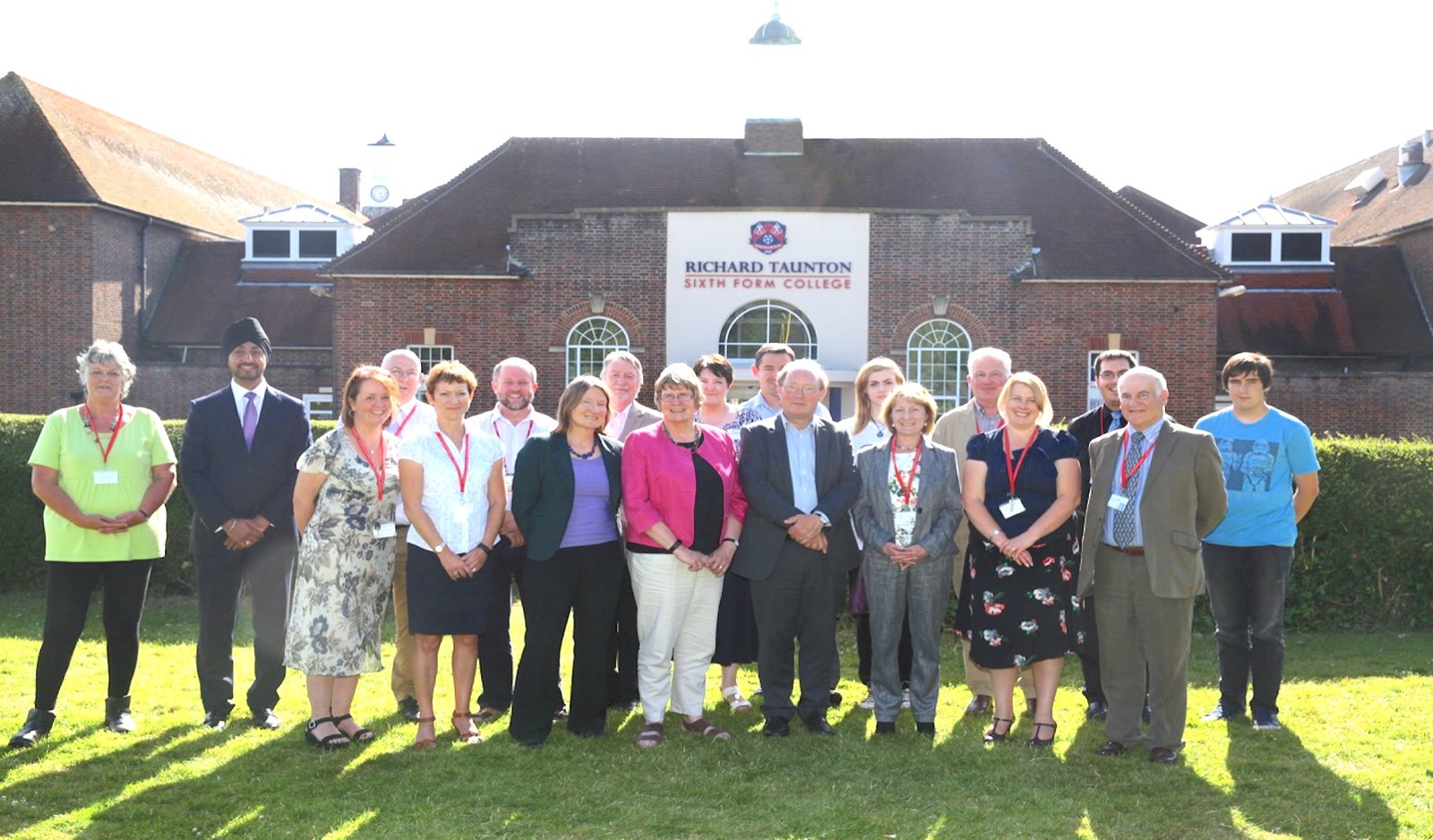
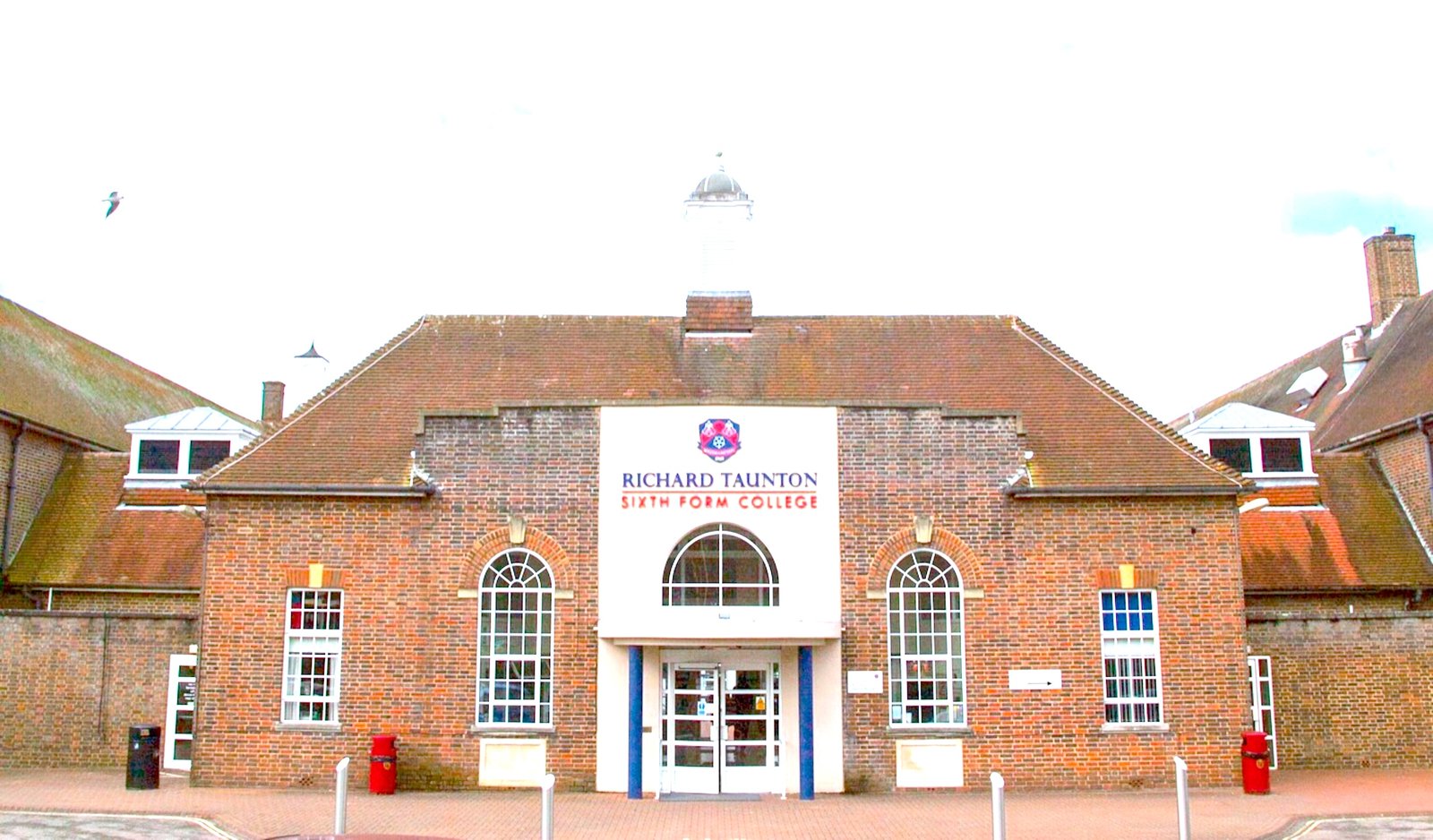
Richard Taunton College is a sixth form college in the north east of Southampton and is one of two sixth form colleges in the city. The college offers a wide range of academic and general vocational courses from level 1 to level 3 on one site with a new, small off-site subcontracted course for those studying sport. Most students are aged 16 to 18, with the large majority of the much smaller cohort of adults studying on the access to higher education course. The college has a small cohort of students with high needs and a very small number of 14- to 16-year-old students. The college also offers a number of part-time adult education courses and embraces and supports the local community of Southampton by opening its doors for evening and weekend lettings.

The proportion of pupils in Southampton who gain five or more GCSEs at grades A* to C, including English and mathematics, is lower than the national average. Unemployment rates for those in the 18 to 24 age group are lower in Southampton than in the south east and nationally.


The College has a rich history! In 1989 Hill College merged with the original Richard Taunton College, created in 1969, to become Taunton’s College, and then changed its name in 2012 to Richard Taunton Sixth Form College. Here’s a short history lesson…

Hill College:

  • From 1907 to 1967 Hill College was known as the Southampton Grammar School for Girls
  • In 1936 the Girls’ Grammar School moved to a new purpose built building on Hill Lane
  • In 1967 it became one of the country’s first sixth form colleges, called the Southampton College for Girls

In 1978 the college admitted boys and renamed itself Hill College to reflect the fact that ‘Hill Farm’ had once existed on the college’s site.

Taunton’s School:

  • Taunton’s School was founded in 1760 by Richard Taunton, the former Mayor of Southampton
  • It changed its status over the years from trade school, to primary school and then to a grammar school
  • It started to admit girls in 1968.


The college’s student success stories

Some of our famous alumni include:

  • Theo Walcott and Gareth Bale, footballers
  • Chris Packham, naturalist and television presenter
  • Chris Tremlett, cricketer
  • Manisha Tank, World Report presenter
  • Joe Stilgoe, singer/songwriter
  • Emma Vardy, BBC political correspondent.

Facts and stats

  • Winner of UK Rock Challenge Open Final 2017
  • Recipient of the 2017 Ambassador for All Award
  • Winner of the Balletboyz 14 Day Challenge 2017
  • Only college in Hampshire to have a boxing gym.


The quartile of the most deprived areas of England. Some 13% of students travel to the college from the inner city area and 20% of students are from minority ethnic groups compared to 7.6%, predominantly Asian, for the city as a whole. Economic activity rates in Southampton are low, with 72.9% of the population aged 16 to 59 in employment compared to 80% for the South East as a whole.


Richard Taunton College  


[su_tabs style=”default” active=”1″ vertical=”no” mobile=”stack” class=””]

[su_tab title=”CURRICULUM” disabled=”no” anchor=”” url=”” target=”blank” class=””]


Curriculum Overview


The college offers AS-level and GCE A-level courses in biology, chemistry, electronics, physics, mathematics and further mathematics and statistics. Options in mathematics include mechanics, decision mathematics and statistics. Courses in the use of mathematics are only provided at AS level. Free-standing mathematics qualifications are available for students who are not ready for AS- level work. There are GCSE courses in science and mathematics including part-time GCSE courses for adults. Free-standing mathematics qualifications are provided at foundation level to prepare students for GCSE courses. Some 700 students, mostly aged 16 to 18, enrol on full-time courses. There are 36 part-time, mostly adult, enrolments.

Retention rates on most AS-level and GCE A-level courses are at the national average for sixth form colleges. Pass rates for AS-level statistics are high, but pass rates for AS-level chemistry and physics are below the national average. At GCE A level, pass rates are consistently at or above national averages. Retention rates on free-standing mathematics units are at the national average, but pass rates are below. The intake of AS-level students has lower GCSE achievements than normally found in sixth form colleges. For most AS-level and GCE A-level courses, students achieve higher grades than predicted by their GCSE results. Retention rates on GCSE courses are in line with national averages for sixth form colleges. Pass rates for GCSE mathematics are at the low national average, but well above for GCSE science. Adults perform better on GCSE mathematics courses than students aged 16 to 18.

Students are attentive in lessons, make good progress and develop good practical skills. During practical lessons, chemistry and biology students use laboratory equipment and instruments confidently. Physics and electronics students assemble apparatus deftly for investigations. Students relate theory to practical work well. Mathematics students carry out complex calculations competently and often offer creative solutions to problems. They analyse data well, have good mathematical modelling skills and are able to test ideas experimentally. Students in pre-GCSE lessons in finance can tabulate data and calculate interest on mortgages. GCSE students find difficulty with algebra and equations and are sometimes slow to recall basic concepts. Students use computers confidently and most communicate effectively both verbally and in writing. At 76%, attendance was well below the national average of 87%.


[/su_tab]

[su_tab title=”CHARACTERISTICS” disabled=”no” anchor=”” url=”” target=”blank” class=””]


THE CHARACTERISTICS OF THE SCHOOL


Teaching and learning are good. Teachers are enthusiastic about their subjects and motivate their students well. Schemes of work are detailed and lessons are planned thoroughly. Good use is made of practical work in science to reinforce theory. Teachers are aware of students’ different learning styles and abilities and accommodate different needs well. Science teachers use a range of activities to motivate and engage students. Group work is used well to challenge more able students whilst providing the less able with more time to complete their work. During a well-organised biology lesson, students used plates of starch agar to investigate the properties of the enzyme amylase. The teacher was careful to spend time with each of the students in the group to ensure they were learning. Some teachers make good use of computers to help students to understand abstract scientific concepts. In a chemistry lesson, for example, a computer simulation helped students to understand the movement of ions in half-cells during electrolysis. Students in a statistics lesson used a computer programme well to analyse bivariate data and calculate correlation coefficients.

Some of the teaching in mathematics is unimaginative, with too few opportunities for students to exchange ideas and clarify their understanding. In some lessons, students are given tasks which are too challenging for their prior knowledge and understanding. There is too much dependence on teacher exposition followed by students practising similar examples independently. Too little use is made of ILT to stimulate and motivate students.

Homework is set regularly and students’ progress is monitored well through frequent tests. Work is marked thoroughly and returned promptly. Teachers provide detailed feedback with helpful comments to help students to improve the standard of their work. The performance of individual students is carefully monitored against target grades which are set according to prior attainment and ability.

Academic and personal support for individual students are very good. Additional learning needs are assessed at enrolment and students’ learning styles identified. Support is provided either through tutorials or during lessons. Regular lunchtime workshops, additional tutorials on specific topics and support from subject teachers help students who experience difficulties with their studies. Attendance is compulsory for students whose progress gives cause for concern. There is a good range of additional activities to broaden students’ experience. These include visits to universities, field trips and involvement in national competitions.

Teachers are well qualified and committed to updating their skills through relevant staff development. Laboratories and teaching rooms are spacious, comfortable and well equipped. Displays and examples of students’ work add interest to corridors and rooms. Students have good access to computers during lessons, but teachers do not have sufficient access to ILT equipment to enhance their teaching. Some rooms do not have data projectors and some overhead projectors give poor quality images.


[/su_tab]

[su_tab title=”SUCCESS” disabled=”no” anchor=”” url=”” target=”blank” class=””]


THE SUCCESS OF THE SCHOOL


Teaching, learning and attainment were graded in 75 lessons. Teaching was good or better in 75% of these, satisfactory in 24% and less than satisfactory in only 1%. The proportion of good or better teaching is at the national average for sixth form colleges. Teaching was consistently good in all the curriculum areas inspected. Only one unsatisfactory lesson was observed. Learning was also good and the profile again reflected the national average. Of the lessons observed, 76% were good or better, 21% satisfactory and 3% less than satisfactory.

Most lessons are well planned and teachers are careful to accommodate students’ different needs and learning styles. Across the areas inspected, most teaching is purposeful and teachers motivate their students well. They use a variety of methods to stimulate students’ interest in their work and are careful to check that all their students are learning. In business and administration, many lessons are lively, with a busy and productive atmosphere. Teaching is mostly purposeful and enjoyable in the humanities and resources are often used well to enliven lessons. Some of the teaching in the visual and performing arts is insufficiently challenging and teachers’ expectations are too low. In mathematics, some of the teaching is unimaginative with lessons depending too much on teacher exposition. Students across the areas inspected contribute confidently to discussions and work well together in groups. Foreign languages students use their developing language skills well. There is a good balance of theory teaching and practical work in science and theory is related well to commercial practice in business and administration. Teaching is carefully related to examination requirements and teachers develop students’ examination techniques well. Some teachers make good use of ILT in their teaching, but not consistently so across all areas. Students have good access to computers and the Internet and use them confidently.

Key skills development is integrated into all courses with some additional key skills lessons to help students to prepare for tests and complete portfolios. Criteria for key skills and assessment opportunities are not consistently included in schemes of work and lesson plans.

In some of the lessons judged to be satisfactory, teachers often fail to provide tasks and activities that are suitable for all the students, particularly the weaker ones. There are examples of too little use of ILT to stimulate and motivate students and unclear use of whiteboards or overhead projectors. Weaknesses also included some failure to include students in discussions and insufficient checks on students’ learning.

Teachers are well qualified and knowledgeable about their specialist subject areas. Some 96% of full-time and 79% of part-time teachers have teaching qualifications and most of the remainder are undergoing training. Part-time teachers are well integrated into curriculum teams. Support staff and teachers work together well. A range of strategies have been developed for attracting staff to curriculum areas where there are teacher shortages. In basic skills, for example, the college provides extensive internal training and development opportunities because of difficulties encountered in attracting and appointing staff. Opportunities for personal and professional development are good, but improving standards of teaching and learning further is not being given a sufficiently high priority.

The library is well stocked with books, periodicals and electronic sources of information. There is also an open-access computer facility where students can work independently. Library and computing staff are well qualified, work well with curriculum teams and provide effective services for students. The college is well stocked with computers. The ratio of students to computers is 2.5:1 and there is one computer to each full-time equivalent teacher. Both teachers and students have good access to the Internet and the college intranet. The information and communications technology (ICT) strategy is not placing sufficient emphasis on the use of the technology by teachers during lessons.

Teaching accommodation is generally good and the college provides an attractive and accessible environment for learning. Common areas are enhanced by displays of students’ work. All classrooms and facilities are accessible to students with restricted mobility. Sports facilities have been improved since the last inspection. Improvements include a new soccer pitch and hard court, resurfaced tennis courts and additional classrooms. Rooms are used efficiently, but overall occupancy rates are low mostly due to low rates of occupancy of some large spaces such as the sports hall and central hall. The college has developed a clear accommodation strategy and has identified the need to extend the refectory and library and to improve students’ social and recreational facilities. Similarly, the accommodation strategy addresses the need to relocate student services as a central, integrated facility. The college has not been able to complete the implementation of its accommodation strategy due to the local LSC’s review of college provision across Southampton.

Assessment and monitoring of students’ progress are good. All full-time students are assessed to identify their learning styles and additional support needs. Additional support is provided quickly and effectively. Teachers use an appropriate range of strategies to meet different learning needs.

Assessment is well planned and coursework deadlines are co-ordinated centrally. Teachers set and mark work regularly and students receive constructive feedback on their progress. However, feedback is not always sufficiently detailed or specific to guide improvement. Marking of set work is generally accurate and meets awarding body requirements.

Students have a clear understanding of their progress and the process for setting target grades. Subject tutors agree target grades with students and these are reviewed regularly against actual performance. Students’ progress is monitored through regular tutorials. In some areas, the actions students need to take to improve their performance following reviews are not sufficiently explicit and lack clear timescales. The college has identified this as an area for further development. Parents and carers receive regular progress reports and parent consultation evenings are held each year.

Internal verification of students’ coursework is rigorous for both vocational and academic programmes. Samples of students’ work are marked by two or more teachers and grades moderated within teams to ensure consistency of assessment. Faculty leaders and course teams work together to resolve any issues raised by external moderators. Internal verifiers provide feedback to assessors, although this is sometimes more focused on students’ work than the validity of assessment decisions.

The college offers a wide range of subjects at advanced level and an increasing range of vocational courses at levels 1 and 2. Progression routes are good. In 2004, 46% of students on courses at levels 1 and 2 progressed to a higher level. Detailed records of students’ destinations are kept and the curriculum is reviewed regularly to meet the needs of the local community. The recently introduced sixth form academy supports more able students in raising aspirations and achievement. The college has demonstrated a longstanding commitment to developing effective partnerships with local schools, colleges and the local authority. The college management team works hard to increase post-16 participation levels in the city, which are currently below the national average. Over 100 students aged 14 to 16 take courses at the college through the 14 to 19 Pathfinder initiative and more than 400 take part in taster activities. College staff also teach additional courses in local schools, and the college is actively working with the Aim Higher initiative. Links with employers are very good in supporting the sports academy, but less well developed in other areas such as business.

Students benefit from a wide range of enrichment activities with particularly strong provision in sport and music. One third of students participate regularly in activities. Themed weeks include activities related to human rights issues and health promotion.

The college provides good support and guidance for students. Pre-entry guidance is comprehensive and impartial. College staff organise a good range of events and activities, both at schools and in college, to guide students on to appropriate courses. The college has achieved the Matrix quality award for information and advice for adults. Professionally produced publicity materials contain clear information about courses and the range of support services available. Information is accessible to students and provided in different formats and languages.

All full-time students are assessed on entry to the college to determine their learning styles, levels of literacy and numeracy skills and additional support needs. Results are usually circulated quickly to teachers and the learning support team, and support is arranged promptly. Cross-college and subject inductions enable students to settle into college life quickly and confirm their choice of course. A student diary and handbook provides clear information about college life and the support available to them. Subject-specific handbooks give detailed information about the structure and content of courses.

Academic and personal support for students are effective. A good range of support services is available. These include counselling, finance, careers and progression and learning support. The college provides excellent support for students with physical disabilities and sensory impairment, and a good range of specialist equipment is available. At the time of inspection, 415 students were receiving financial support through the educational maintenance allowance and 31 students receive other learner support funds to support their studies. The college recently revised its child protection policy. The assistant principal with responsibility for student services co-ordinates actions and liaises with external agencies and there are named staff to deputise, where necessary. All teaching and support staff and governors have been briefed about the requirements and guidelines have been provided.

Two thirds of full-time students who are identified as having specific learning support needs attend support sessions. Classroom assistants provide effective support to students on entry level courses and courses at levels 1 and 2. The college has identified the need to monitor the progress of students identified as having support needs, but who do not take up the support offered. The impact of learning and financial support on students’ performance is not monitored sufficiently. There is insufficient tracking of the combined effectiveness of different programmes such as key skills and GCSE courses in raising the literacy and numeracy levels of individual students during their time at college.

Teachers monitor academic progress closely. Students at risk of failure are well supported through tutorials and drop-in and learning support workshops. Teachers and tutors provide students with considerable support and encouragement both during and outside formal lesson times. Attendance data are accessible through the central management information system and well used by teachers, personal tutors and senior managers in monitoring students. There is a clear disciplinary procedure for students aged 16 to 18.

Tutorials are well structured and effective. Tutors monitor students’ progress against targets during review weeks each term. Some reviews do not specify sufficiently clear actions and timescales to help students to improve. Students receive good support from personal tutors, the careers guidance team and Connexions personal advisors to help them progress to HE or employment. Careers education is an integral part of the tutorial programme, and is facilitated by good resources.


[/su_tab]

[su_tab title=”QUALITY” disabled=”no” anchor=”” url=”” target=”blank” class=””]


THE QUALITY OF ACADEMIC AND OTHER ACHIEVEMENTS


Pass rates are consistently high on most courses. In AS-level textiles, critical studies and photography all students who completed their courses in 2004 passed. Similarly, in GCE A-level textiles, photography, drama and dance pass rates were 100%. Pass rates on music courses have been consistently high for the three years prior to inspection. In AS-level art and design, pass rates have been significantly below national averages for three consecutive years. Students on many courses achieve a higher proportion of high grades than the national average. This is the case in AS-level music, music technology and art and design and in GCE A-level art and design, drama and theatre studies and dance.

Students make very good progress relative to their prior attainment in AS-level textiles, critical studies, drama and theatre studies and music. Standards of music performance are particularly high. Music students demonstrate consistently high-level skills. They play and sing with technical accuracy and physical control. Performance work is also strong in drama and dance. Publicly performed pieces are often thought provoking, intelligent and sophisticated in concept and presentation. Students’ practical work in the visual arts is often good, but students do not always fully explore the potential of their ideas. Sketchbooks and workbooks in art and photography do not have sufficient breadth of research, experimentation and development of ideas. Students’ attendance and punctuality are good, with attendance at 91% at the time of inspection.


[/su_tab]

[su_tab title=”PUPILS” disabled=”no” anchor=”” url=”” target=”blank” class=””]


THE QUALITY OF THE PUPILS’ PERSONAL DEVELOPMENT


Most students who enrol at the college are aged 16 to 18. Overall retention rates for young people following foundation level programmes were well above the national average for sixth form colleges for the three years prior to the inspection. For intermediate programmes, mostly GCSE, general national vocational qualification (GNVQ) and precursor programmes, retention rates have improved steadily since 2002 and were well above the national average in 2004. At advanced level, mostly AS-level and GCE A-level courses, retention rates have improved and were at the national average in 2004.

Pass rates overall on foundation level programmes have been consistently above average for the three years prior to the inspection. At intermediate level, overall pass rates have been consistently below average. However, for GCSE, GNVQ and precursor courses, which constitute the major programmes offered at this level, pass rates were high in 2004. The pass rate for GCSE English was very high and the rate for mathematics was at the national average. For GNVQ and precursor programmes, pass rates have been consistently good over a three-year period. The majority of students attending the college follow AS-level or GCE A-level courses. Overall pass rates for young people on advanced level programmes have been just below the national average for the three years prior to the inspection due to below average pass rates on AS-level programmes. Pass rates on GCE A-level programmes are consistently at the national average.

Of the students enrolling on GCE A-level programmes, some 15% do not have a C grade in GCSE mathematics and 4% do not have a C grade in English. The average GCSE point score of students enrolling on GCE A-level programmes is below the average for students enrolling at sixth form colleges nationally. In 2003/04, for example, 47% of students enrolling on AS-level courses had low entry qualifications compared to 27% nationally. Only 9% of students had high GCSE point scores, compared to 17% nationally. Differences are not as marked for GCE A-level programmes, but are still significant, with 35% of students having low point scores at entry to the college compared to 26% nationally. Similarly, only 11% of students had high point scores compared to 17% nationally.

On the basis of the progress students make relative to their GCSE point scores, the overall performance of AS-level students at the college has improved over a three-year period and was outstanding in 2004 when compared to that of sixth form college students nationally. The performance of students in AS-level English literature, drama, and French, for example, was outstanding over a three-year period, but was consistently weak in sociology. GCE A-level students do not make such impressive progress. This is because medium and high ability students at the college do not take as many subjects at GCE A level as students attending most other sixth form colleges. Their overall performance relative to their GCSE point scores is still good when compared to the progress students make nationally.

Although students perform well relative to their entry qualifications, the level of performance is not uniform across subjects. In 2004, students following 57% of the AS-level subjects offered by the college demonstrated better progress than predicted by their entry qualifications. Performance was in line or better than predicted for 76% of subjects. At GCE A level, 48% of subjects outperformed predictions, with 68% being at least in line with predictions.

The majority of students are well motivated and respond well to the high expectations of most teachers. Students receive much help and advice from their teachers, both during and outside lessons and many students produce work of a high quality. They are attentive in lessons and communicate effectively both verbally and in writing. Many students develop good study skills and examination techniques.

Science students relate theory to practical work well, develop good practical skills and use computers competently. In mathematics, students often offer creative solutions to problems. Essays and assignments completed by business and administration students demonstrate their ability to analyse information well, evaluate evidence and present arguments logically and coherently.

Standards of music performance are particularly high and music students demonstrate consistently high-level skills. Performance is also strong in drama and dance. The practical work produced in the visual arts is often good, but students do not always fully explore the potential of their ideas. Much of the written work produced by humanities students demonstrates their interest in their chosen subjects. Many students develop ideas and arguments well. Some students, however, particularly at AS level, have difficulty structuring answers and expressing their ideas. Students on English courses make perceptive comments about literature and respond appropriately to each other’s ideas. Foreign language students speak with reasonable fluency relative to their level of study. The written work produced by English and languages students is of a suitable standard.

Many students pass key skills tests, but a very small proportion complete their portfolios and overall pass rates are low. Students do not value key skills as highly as the rest of their subjects and often fail to see their relevance. However, the college is successful in developing the literacy and numeracy skills of students who do not have level 2 qualifications in English or mathematics at the start of their course. The proportion of students without these qualifications is significantly reduced by the time they complete their main programme of study.

At 83%, attendance in lessons during the inspection was below the national average of 86% and the 89% attendance rate observed during the last inspection. College data indicate that average weekly attendance for the previous term was 89%. Attendance was lowest in science and mathematics at 76% and highest in the visual and performing arts at 91%. Students’ punctuality was good. Over 90% of students completing courses in 2004 progressed to HE, training or employment, with 86% of HE applicants gaining university places.


[/su_tab]

[su_tab title=”GOVERNANCE” disabled=”no” anchor=”” url=”” target=”blank” class=””]


The Quality of Governance 


Leadership and management are good. The mission of the college clearly reflects governors’ and senior managers’ intentions for the institution to play a key role in raising achievement levels and widening participation in education and training in Southampton. The proportion of students from minority ethnic groups attending the college is significantly higher than for the city as a whole. Managers place particular emphasis on developing effective working relationships with schools and on providing progression opportunities for pupils whose achievements at Key Stage 4 are below the average for sixth form colleges nationally. Partnership arrangements include some sharing of teaching staff to enhance schools’ Year 11 curriculum and help prospective students to make appropriate choices at age 16. Students are well supported and the college makes good use of analyses of students’ achievements relative to their qualifications on entry to improve the performance of individual students and the college overall.

Retention rates, at all levels, have improved steadily since 2002 and are well above the national average for sixth form colleges at levels 1 and 2 and are at the national average at level 3. Pass rates are also above the national average at level 1 and for GCSE and GNVQ programmes. Overall pass rates for young people following level 3 programmes have been just below the national average for sixth form colleges for the three years prior to the inspection. Below average pass rates on AS-level programmes reflect the attainment levels of students recruited to the college. On the basis of students’ performance relative to their qualifications on entry, the college has been successful in achieving year-on-year improvement for the three years prior to the inspection with outstanding overall performance by AS-level students in 2004 and good performance by those following GCE A-level courses.

Communication within the college is good. Senior managers are approachable and consult staff regularly on matters of policy and practice. There is a comprehensive calendar of meetings at

different management levels and meetings and action points are mostly well recorded. Course teams are well led and managed and teachers, tutors and support staff work together effectively. They share a commitment to helping students maximise their potential. Management is good overall in four of the curriculum areas inspected and satisfactory in the fifth. In the humanities, there is insufficient co-ordination of measures to bring about improvements in students’ achievements at faculty level. Some curriculum managers have been slow to address weaknesses identified through self-assessment. Teaching time on AS-level courses was increased at the start of the year of the inspection and students provided with additional academic support as part of the strategy for improving students’ performance on these courses.

Governors bring a wide range of expertise to the college which they use well to shape its educational character. Meetings of the corporation are well attended and members play an active part in the life of the college. Governors are well supported by the corporation clerk. There is a well planned cycle of meetings and governors receive well set out and informative reports. Governors and senior managers work together well in setting the strategic direction of the institution and make good use of twice yearly planning days for establishing clear strategic objectives and challenging targets for improving the performance of the college. The corporation and its committees carefully scrutinise academic and financial performance as well as progress in achieving strategic objectives.

Quality assurance procedures, based on annual self-assessment, are effective. Course reviews are mostly rigorous and action plans are leading to improvements. Targets are set for key indicators including enrolments, retention and pass rates and progress against students’ prior achievements. Performance against action plans and targets is closely monitored by senior managers and governors. Teaching was judged to be good or better in 75% of lessons, which is similar to the national average for sixth form colleges. The level of unsatisfactory teaching is low at 1%. All teachers are observed annually and, although weaknesses in teaching and learning are identified, college observers do not place sufficient emphasis on the impact of teaching on students’ learning when grading lessons and judged 90% of lessons to be good or better. The college has recognised this weakness through self-assessment and, at the time of the inspection, was planning to provide further training and development to ensure that teachers take full account of the wide ranges of ability and previous attainment in most teaching groups.

The college has clear policies for promoting equality and diversity and complies with the Race Relations (amendment) Act 2000 and SENDA. All areas of the college are accessible to students with restricted mobility. The equal opportunities policy incorporates a race equality action plan. Appropriate training has been provided for governors and staff to support its implementation. Pass and retention rates are analysed by gender, ethnicity, post code and feeder school. Governors, managers and teachers receive useful monitoring reports to help identify areas for improvement. Most curriculum areas are improving the range of programmes offered at foundation and intermediate levels. Alternative progression opportunities to AS-level and GCE A-level courses are being developed. Measures to improve the performance of boys who had underachieved prior to enrolment at the college are having significant impact.

The college’s finances are monitored closely by managers and governors who receive clear information about expenditure to date. Systems are in place for estimating the cost of individual courses, but not for identifying actual costs. From an improving financial position, the college was forecasting a deficit for the year of the inspection due to a decline in enrolments in 2003. Managers and governors have taken action to reduce expenditure and there has been some restructuring to reduce staff costs. Expenditure on pay as a percentage of income has been reduced, but is still high at 80%. Strategies for increasing enrolments are clear and the three-year financial forecast shows the college remaining solvent. Reserves from the sale of property are available to complete a capital programme to support growth strategies. On the basis of the overall financial position of the college, improvements in students’ achievements and the progress they make relative to their prior achievements, the college provides good value for money.


[/su_tab]

[/su_tabs]
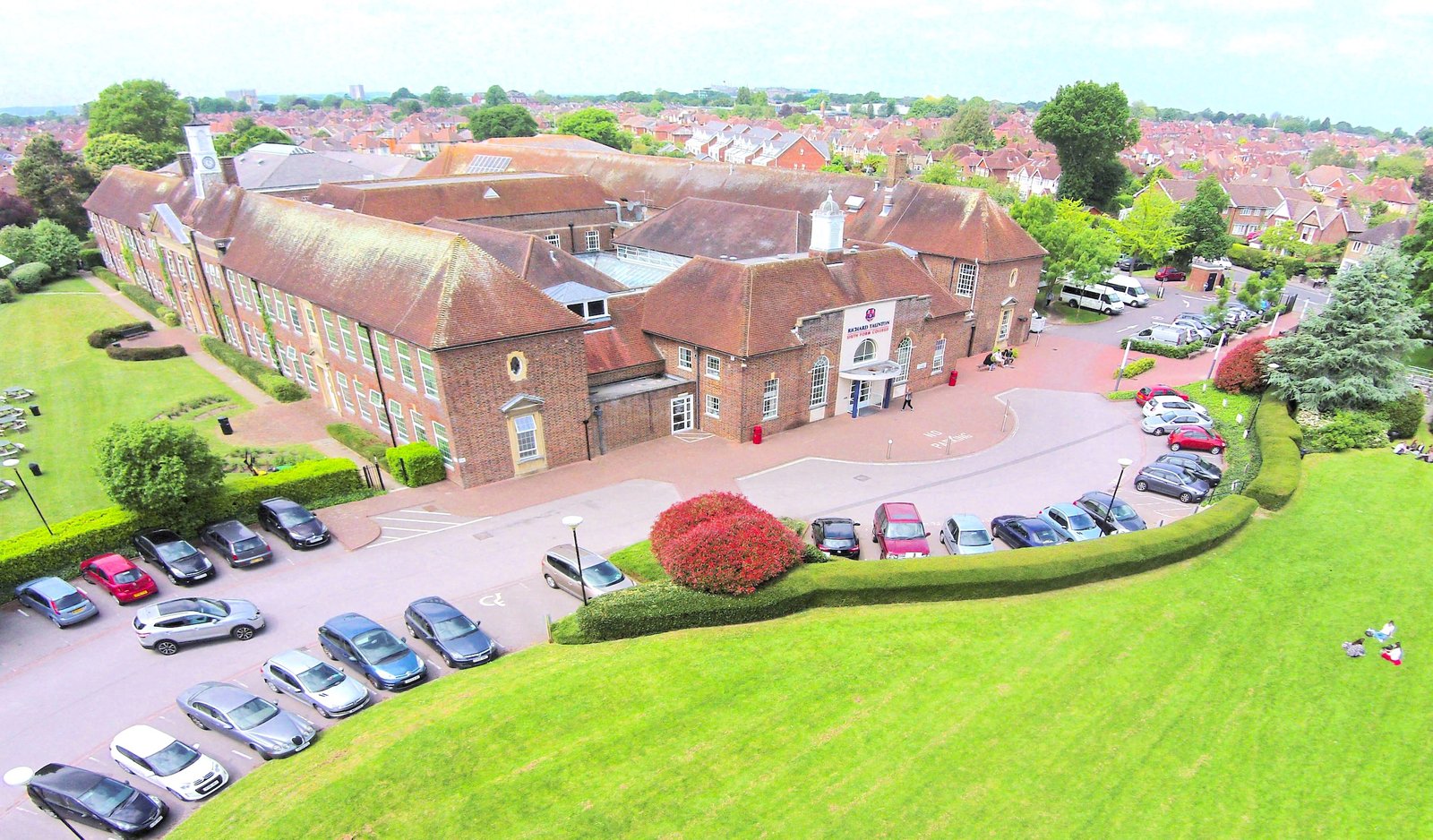
Bishop Wordsworth’s School


Bishop Wordsworth’s School


The Bishop’s School, as it was then called, opened on its current site on the 16th April 1890 with 45 boys. Girls were welcomed in 1902 and the school was coeducational until 1927. We now have around 1000 pupils across the school, about 300 of whom are in the Sixth Form.


Bishop Wordsworth’s is a selective Church of England academy for boys aged between 11-18 and is situated close to Salisbury Cathedral. Two thirds of the 911 boys on roll come from the Salisbury area with the remainder coming from other parts of South Wiltshire and West Hampshire. A number of sixth form courses are shared with South Wilts Grammar School. The majority of students are of White British heritage. Numbers of students with special educational needs, speaking English as an additional language or for whom the school receives additional funding known as ‘pupil premium’ are far below national averages.

The legacy of Bishop John Wordsworth and our heritage and traditions are something we are very proud of. The marriage of old and new, historical roots and innovative development makes for a unique educational experience for every one of our students.

With our privileged location within the Close and monthly school services in the splendour of the Cathedral, lasting memories are created for current and former students alike.


Students joining in Year 7 come from over 45 different schools covering a wide area. Their attainment on entry is well above average. The proportion of students with learning difficulties or disabilities is much lower than in schools nationally. There are few students from minority ethnic backgrounds. Very few students are eligible for free school meals. Most students continue into the school’s sixth form and around 30 new students join in Year 12. The sixth form is very large. Since 1998 a significant proportion of sixth form courses have been run collaboratively with the nearest grammar school for girls. Bishop Wordsworth’s became Voluntary Aided in 1999 and was granted specialist status in languages in 2004.


The School places great emphasis on ensuring that pupils achieve the highest academic standards of which they are capable, whilst encouraging them to develop their social, cultural and recreational skills and interests at the same time. This means that the school adopt a firm but caring approach to all aspects of School life. Staff endeavour to work closely with parents in ensuring that boys spend their time at School profitably but happily.

The Lower School Office is the focus of life for the boys in their first two years. In addition to handling all of the routine (but very important) day-to-day pastoral issues, the Lower School Office also monitors the academic progress of the boys through the analysis of report data. The office staff receive information from all aspects of the boys’ schooling, including rewards and sanctions, so that they can both support and challenge boys to do their best.


In the Middle School this policy is carried out by working closely with pupils and parents on academic, pastoral and career matters and by trying to equip them with a good range of qualifications and skills by the end of Year 11 – whether they go on to enter the Sixth Form or leave school at this stage.

The team of Middle School Tutors are responsible for the progress and welfare of the boys in the middle school year groups, with academic matters regularly monitored closely through report and other data. The Middle School Office staff also handle many work-related concerns, for example issues which arise through coursework and controlled assessment, organisation and prioritisation and study skills.

The Middle School Office organises the options procedure each year, through which Year 9 boys make their choices for the Key Stage 4 courses. This includes an Options Evening for parents in the Spring Term where, in addition to academic matters, careers related advice and guidance will be given by our independent Careers Consultant.


Bishop Wordsworth’s School  


[su_tabs style=”default” active=”1″ vertical=”no” mobile=”stack” class=””]

[su_tab title=”CURRICULUM” disabled=”no” anchor=”” url=”” target=”blank” class=””]


Curriculum Overview


The quality of the curriculum is outstanding and leads to exceptionally high standards and achievement. Students are offered a large number of GCSE and A-level courses that suit their aptitudes and needs very well. Modern foreign languages are promoted well and many students take advantage of the opportunity to study two languages. Additional enrichment languages such as Mandarin are well attended. There is very low demand for vocational courses but the curriculum prepares students well for future study and subsequent careers. There is outstanding provision for extra-curricular activities such as performing arts, sports and music, which are all highly popular. Trips and residential visits expand students’ experiences exceptionally well.


[/su_tab]

[su_tab title=”CHARACTERISTICS” disabled=”no” anchor=”” url=”” target=”blank” class=””]


THE CHARACTERISTICS OF THE SCHOOL


Christian traditions and values are the way of life at Bishop Wordsworth’s. Boys joining the sixth form from other schools acknowledge that the care and support here are comparable with their experiences elsewhere. However, everyone is aware that here they are firmly rooted in biblical teaching and Christian practice. Students know that each one of them is valued and encouraged and supported to be the best they can be. They appreciate the high quality and tireless academic and pastoral support that helps them achieve and results in high levels of attendance and very few exclusions. This includes careful attention to their spiritual, emotional and mental wellbeing, so necessary at times when boys’ natural competitiveness and personal aspiration exert considerable pressure. Students are confident that staff deal with any behaviour and relationship challenges effectively and without delay in line with the values of Christianity. Boys are usually quick to understand and resolve problems. The comment, ‘we try so hard to be a good person and care for each other’ characterises the views of many.

Academic progress is carefully monitored and supported to ensure the highest standards and aspirations are achieved. However, reflecting a biblically inspired understanding that life is to be lived to the full, boys are expected to engage with the wide range of enriching opportunities provided by the school. Sports, music, drama, art, languages and Christian union are just some examples of the extra-curricular provision from which students benefit. In keeping with the ethos of the school, boys who have interests not included in existing provision know they can seek approval to initiate additional clubs and activities. Students relish opportunities to take roles of responsibility and leadership. The most senior prefect roles are held in very high regard. The fact that the cathedral prefect, responsible for liaison with the cathedral, is one of the three most senior positions highlights the importance accorded to worship and Christian traditions. Character development and community service are given high priority. A large number of students undertake the Duke of Edinburgh’s Award up to gold level thereby growing in social awareness and resilience. Students understand the importance of service through opportunities in school such as the role of subject prefect. Greater awareness comes through voluntary work with Oxfam, the Trussell Trust, Sarum College, the local hospital and others as part of the sixth form programme of enrichment. International trips and a vast array of speakers broaden horizons and instil in students the importance of social and political awareness as well as the responsibility they have to be good citizens. In addition, RS challenges their thinking, making them aware of different beliefs and ways of life amongst Christians as well as people of other faiths and no faith throughout the world. All these elements of provision enrich students’ spiritual, moral, social and cultural (SMSC) development encouraging them to be reflective about the people they want to be. They contribute to the school’s aspiration to prepare them to live a full and fulfilling life.


[/su_tab]

[su_tab title=”SUCCESS” disabled=”no” anchor=”” url=”” target=”blank” class=””]


THE SUCCESS OF THE SCHOOL


There are many impressive features that combine to make Bishop Wordsworth’s an outstanding school. Standards are exceptionally high. The personal development and well-being of the students are impressive. The outstanding curriculum, including its recent focus on languages and the international dimension, effectively prepares students for the future.

Leadership and management are excellent. The headteacher, senior team and staff share a passionate commitment to the school and give their time generously to run out-of-hours activities. The headteacher has an inspiring vision for the school, seeking to provide the best all-round education in an ever-changing and competitive world. Potential innovations are researched thoroughly.

The school is engaged in a healthy debate about the effectiveness of different teaching and learning styles for its students. A small group of students is researching how you can judge learning in a lesson and the learning approaches that students like. The quality of teaching and learning is good. Teachers have excellent subject knowledge and clearly aim for high standards but many lessons lack the range of learning approaches featured in the students’ research.

The governors actively support the school and are well organised and not afraid to question. Since the last inspection, standards have risen even higher and great strides have been made in eliminating the widespread problems with accommodation, although some remain. Bishop Wordsworth’s capacity to improve yet further is excellent.

The school provides an outstanding sixth form where students are extremely well prepared for academic studies at university and develop as well-rounded young people. Expectations are high and standards achieved in A-level examinations are outstanding.

The collaboration with the girls’ grammar school is highly effective and very well managed. The extensive range of AS- and A-level subjects and the stimulating

enrichment courses are valued by the students and promote their social and cultural development exceptionally well. Managers of both schools regularly monitor the students’ progress and the quality of teaching. Effective action is taken to improve provision in the few instances where standards are perceived to be lower than expected and features of good practice are shared.


[/su_tab]

[su_tab title=”QUALITY” disabled=”no” anchor=”” url=”” target=”blank” class=””]


THE QUALITY OF ACADEMIC AND OTHER ACHIEVEMENTS


Standards are exceptionally high. National test and examination results have risen even higher than at the time of the last inspection. The excellent results demonstrate that students make outstanding progress over their time at the school. They reflect the school’s ethos which encourages maximum effort and fascination with knowledge, combined with good teaching and the students’ own strong determination to achieve. The few students who have learning difficulties or disabilities are very well supported, and achieve as well as everyone else.

Standards in Year 9 are well above the national average. In 2006 virtually all students reached two or more levels above national expectations in mathematics and science and over half did so in English. Standards in Year 11 are equally impressive. In 2006 virtually all students gained at least five A* to C GCSE grades and three quarters achieved at least five A* to A grades. Over one third gained A* to A grades in all their GCSE subjects.

There has been impressive year-on-year improvement in A-level results. In 2006 virtually all students achieved passes at grade C or above and almost three quarters of all entries achieved A to B grades. Almost all students go on to university. They are well equipped for the academic rigour of higher education.

The quality of teaching and learning is good. Lessons often have good pace and high challenge, and students respond by producing high quality work. Good use of information and communication technology, including digital interactive whiteboards, also supports learning well. Many students appreciate their highly knowledgeable teachers, enthusiastically talking about their areas of expertise.

The school has engaged thoughtfully in debating the effectiveness of different styles of teaching and learning. The student research group has shared its initial findings about learning experiences with lower school students in assemblies and with teachers. Practical exploration and discussion are valued by students, as well as having changes of activity during lessons. The senior leadership team is aware that many lessons lack variety in learning approaches.

There is an extensive programme of homework which gives students good opportunities to apply the skills and knowledge introduced in lessons. Homework is marked regularly but marking does not always enable students to recognise what level they are working at or what they could do to reach higher standards.


[/su_tab]

[su_tab title=”PUPILS” disabled=”no” anchor=”” url=”” target=”blank” class=””]


THE QUALITY OF THE PUPILS’ PERSONAL DEVELOPMENT


Personal development and well-being are outstanding. Students greatly enjoy coming to school, where they find the intellectual challenge particularly stimulating. They show mature and responsible attitudes to learning. The many gifted and talented students have developed excellent personal skills. Participation rates in sport of all kinds are high and this, together with the school’s healthy food provision, helps students to adopt healthy lifestyles. Attendance is well above average. Behaviour is exemplary throughout the school. Students say they feel safe in school and report that there is no bullying.

Spiritual, moral, social and cultural development is outstanding. The strong Christian ethos permeates all aspects of school life. Students treat staff and each other with respect. They regularly provide for those less fortunate than themselves through charitable giving. They gain knowledge and understanding of their own culture and that of many other places in the world though a wide-ranging programme of visits and in-house activities, for example, language ‘taster courses’. Students make an outstanding contribution to their community in many ways. The school council has an active role in discussing improvements. Sixth form students take on many responsibilities such as those of prefects, mentors of younger students and chapel duties.

Virtually all students stay on into the sixth form, for which they are prepared extremely well by their outstanding academic achievements in Year 11. Relevant work experience in professional placements is responsibly arranged by sixth form students themselves. They are very well prepared for life beyond school and eventual employment through their participation in enrichment courses such as in critical thinking and their visits to high-ranking universities.


[/su_tab]

[su_tab title=”GOVERNANCE” disabled=”no” anchor=”” url=”” target=”blank” class=””]


The Quality of Governance 


Leadership and management are outstanding. The school is extremely well led by the headteacher, who is respected by staff, students and parents. He is deeply committed to preserving the excellent traditions within the school but keen to see further development and willing to pursue new avenues.

The senior leadership team plays a key role in managing improvements and sustaining high quality in provision. The research project into teaching and learning styles is providing useful evidence to inform the school’s timely debate about the approaches used. Staff have bravely, and skifully, worked with students to gain better insight into students’ views about learning.

The school’s effective improvement planning is based on a secure evaluation of performance data in every area of operation. The senior team has a comprehensive oversight of strengths and weaknesses in subject departments. However, the setting of individual targets for students requires further refinement to ensure that everyone recognises the degree of challenge that they represent and how students can benefit most from them.

Specialist status has been very well led and managed. It has a very positive impact on the school not just in terms of results but also through building an international dimension into the curriculum.

The governing body is effective, actively supporting this successful school and holding senior managers to account constructively. The accommodation has improved vastly since the last inspection but, given some of it is still in an unsatisfactory state of repair, governors and senior staff must ensure that the school continues to monitor potential health and safety issues regularly.


[/su_tab]

[/su_tabs]